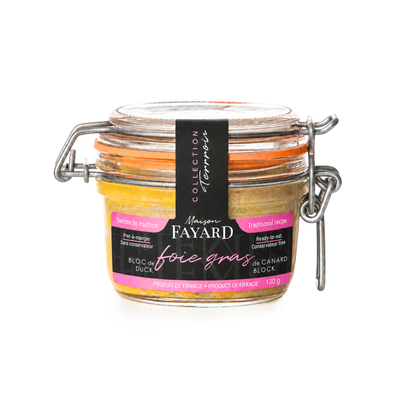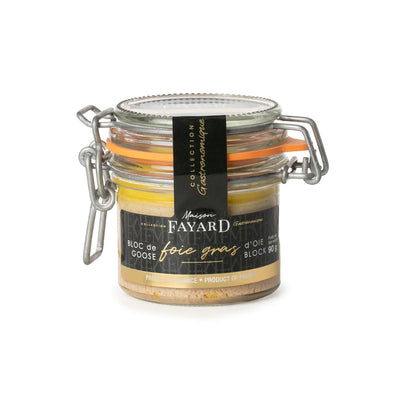

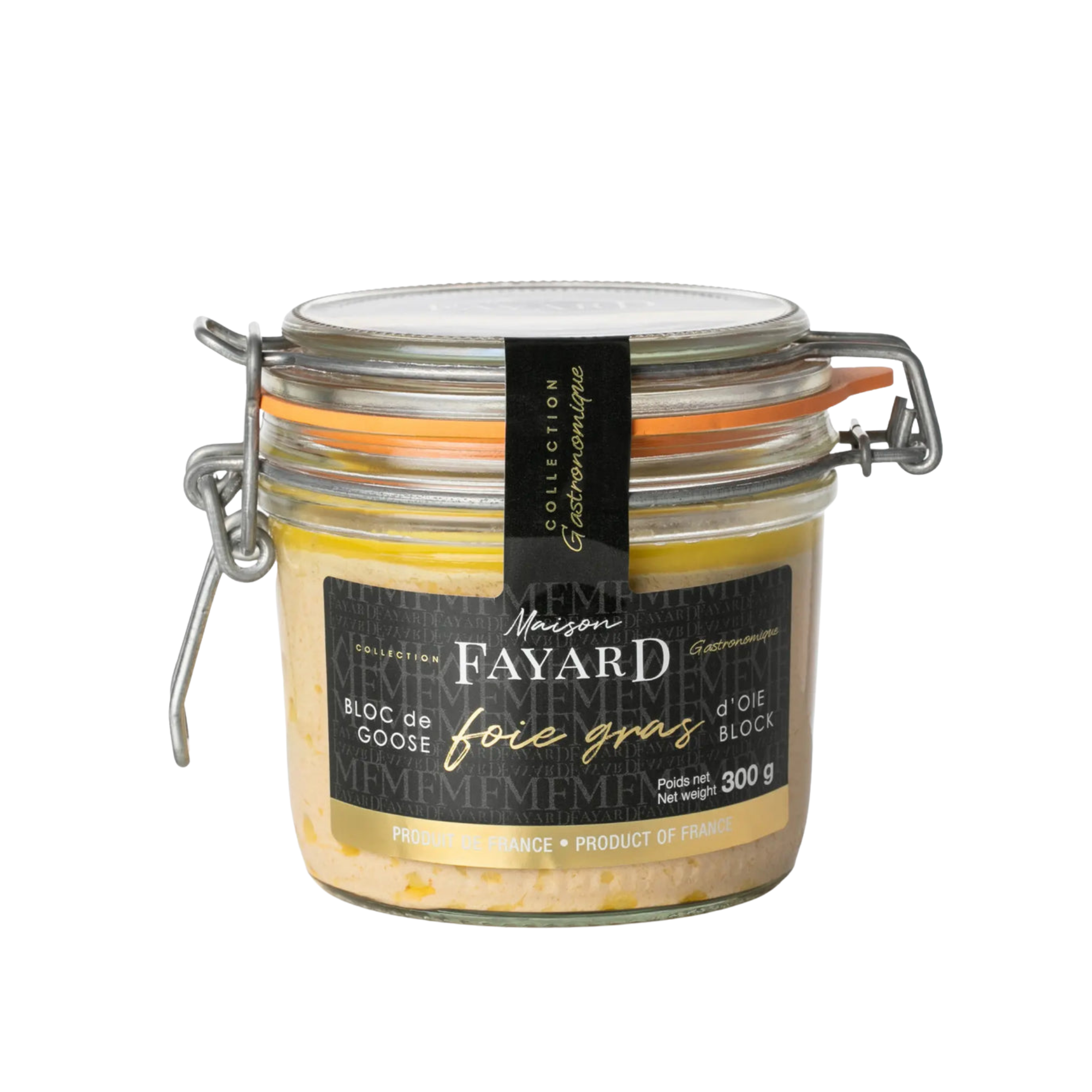
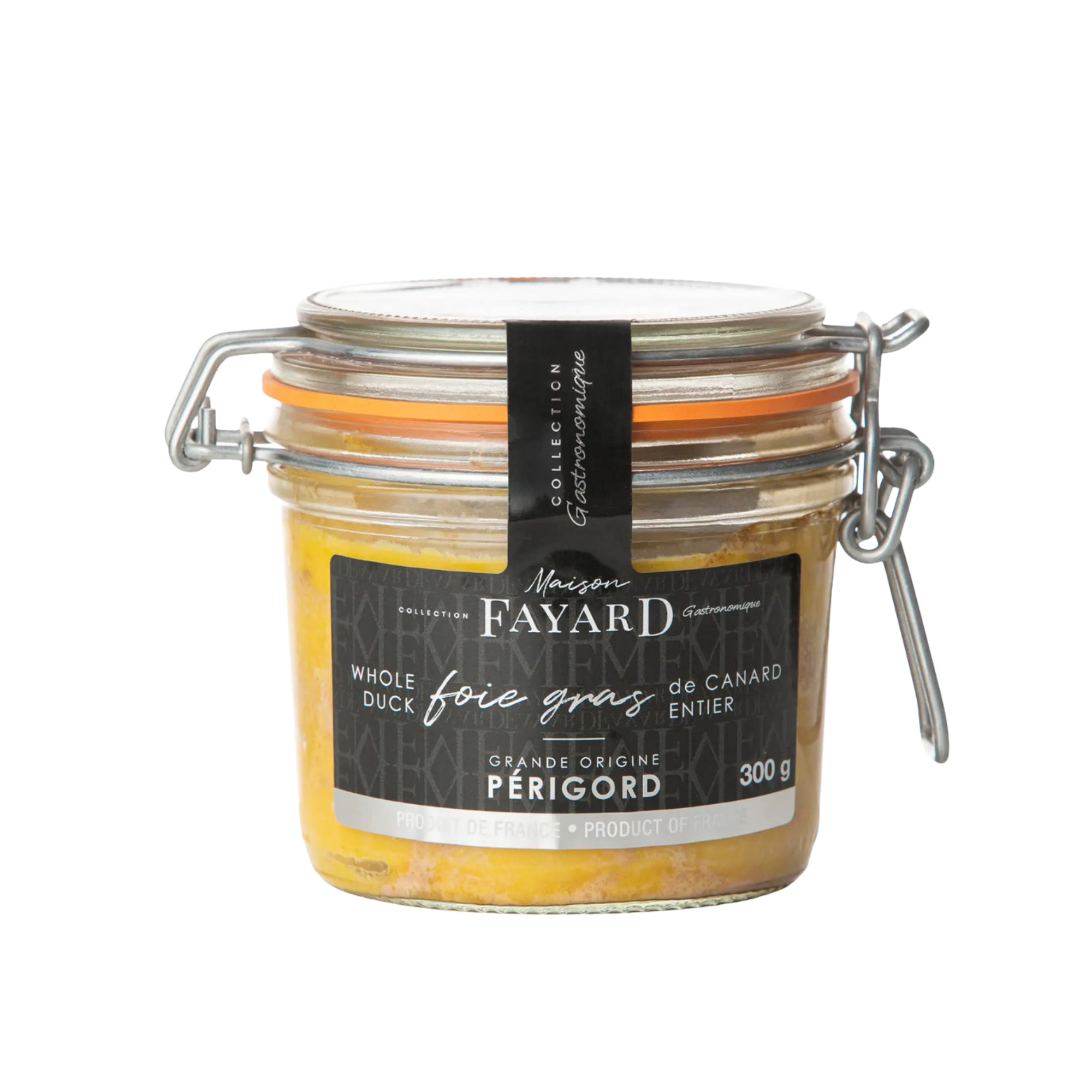

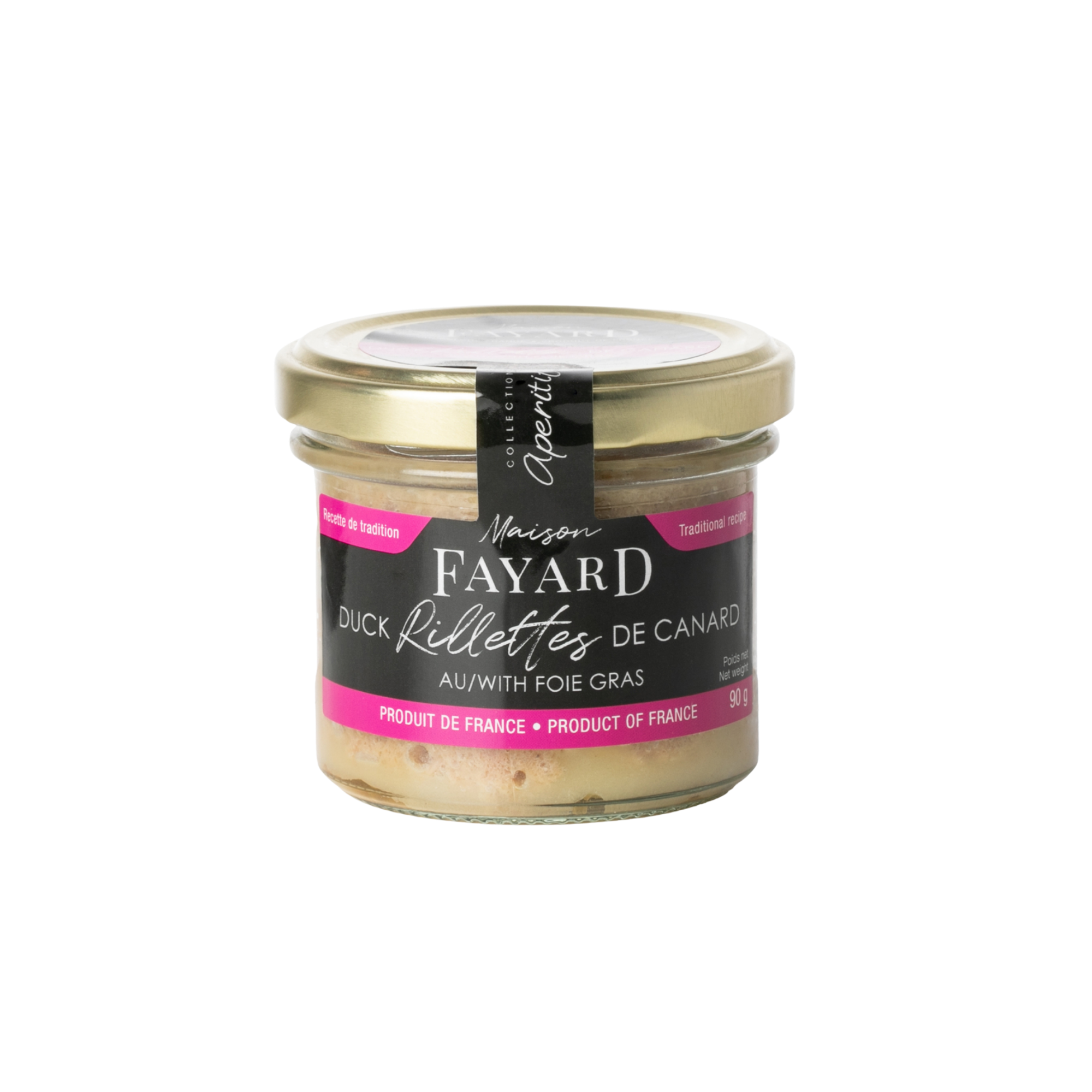
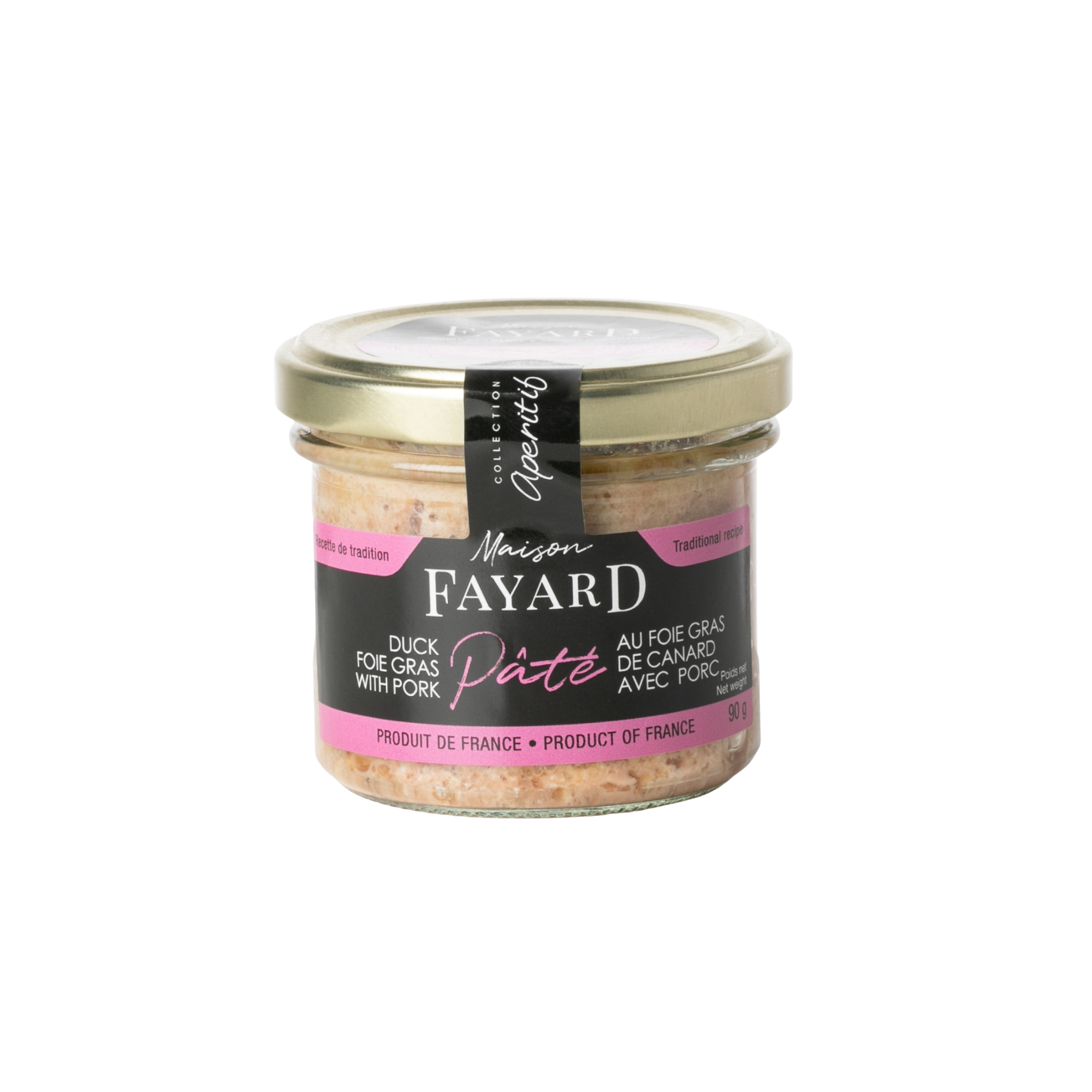
Foie gras is one of the most iconic products of French gastronomy. Yet when you want to buy it, two names come up often and can be confusing: the block of foie gras and whole foie gras. Both products are made of foie gras, but their texture, their production and the way they are enjoyed differ. Understanding these distinctions makes it easier to choose the foie gras best suited to the occasion, whether for a convivial aperitif, a refined starter or a festive meal.
Understanding the types of foie gras
The names used for foie gras are not chosen at random. They are governed by precise regulations that define the composition and production of the different products. Whole foie gras is the noblest form and the closest to the natural product. It is made of one or several whole lobes of foie gras, simply seasoned then cooked. The block of foie gras, on the other hand, is made from foie gras that is worked and then reconstituted to form a uniform texture. Both categories are authentic and widely used in gastronomy, but they are not always enjoyed in the same way.
What whole foie gras is
Whole foie gras is generally made of a whole lobe or of several lobe pieces assembled together. Its texture stays close to natural foie gras and often has a slightly irregular appearance. When you slice it, you can see the structure of the liver and its natural fibres. On the palate, this texture gives a very melt-in-your-mouth sensation and often more complex aromas. Whole foie gras is generally served in slices, notably as a starter or during a gastronomic meal. It is often accompanied by lightly toasted bread, pain d'épices or a fig chutney to create a balance between richness and sweetness. This presentation showcases the product itself and often corresponds to a more traditional tasting.
What the block of foie gras is
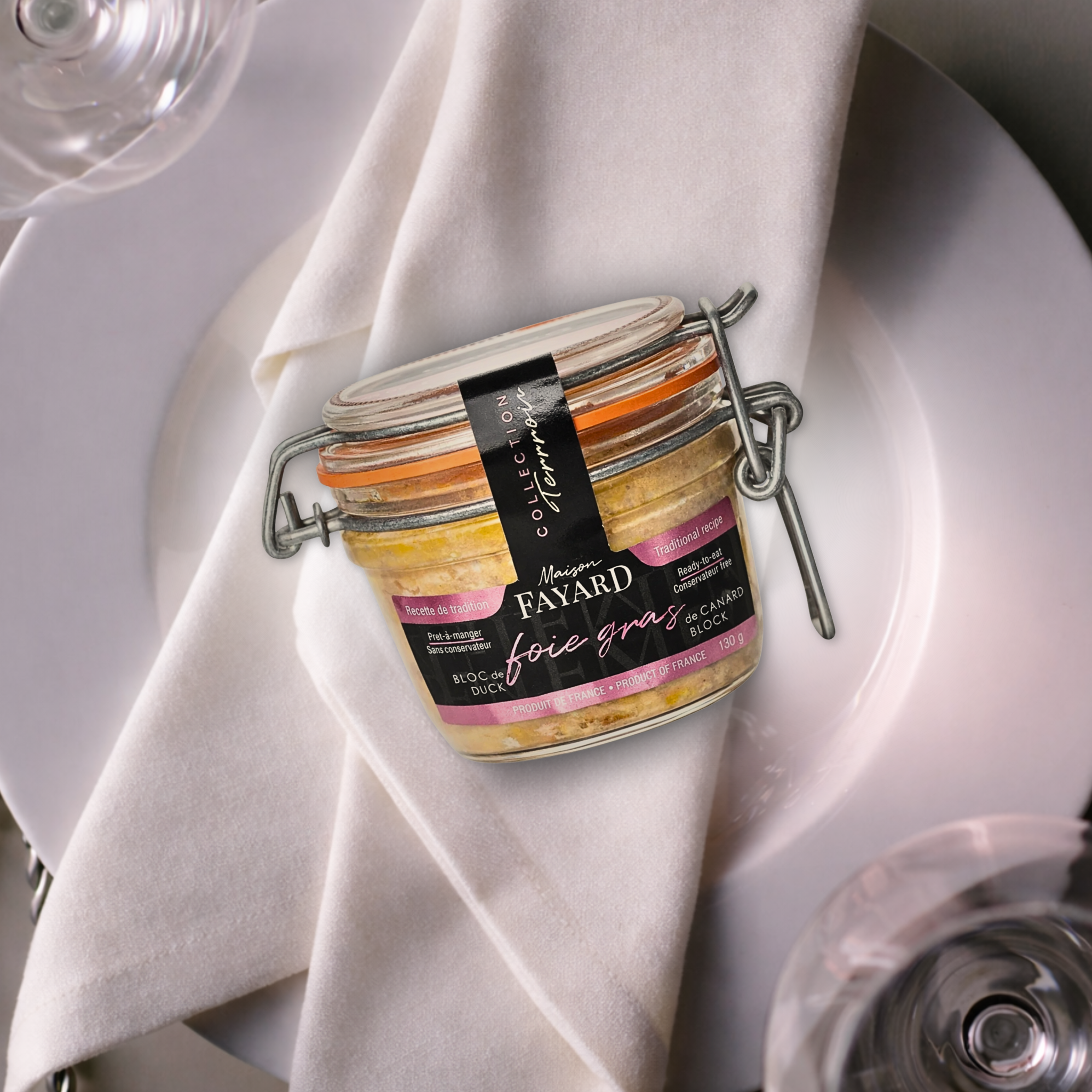
The block of foie gras is made from foie gras that has been worked to obtain a perfectly homogeneous texture. The liver is emulsified then moulded to form a regular preparation. The result is a smooth product, easy to slice or spread. This uniform texture makes the block of foie gras particularly practical for aperitifs or gourmet boards. It is often presented in a terrine or a jar, which lets you spread it directly onto bread, toast or crackers. In many fine-food shops, this format is appreciated for its ease of use and for convivial tastings. At Maison Fayard, for example, this type of foie gras is often chosen to quickly prepare elegant tartines for an aperitif.
Differences in texture
Texture is one of the most visible differences between these two products. Whole foie gras has a more natural, sometimes slightly irregular texture. Each slice may show slight variations, which reinforces the product's sense of authenticity. The block of foie gras, by contrast, offers a perfectly smooth, regular texture. This consistency makes it easier to slice and spread. This difference also influences how the foie gras is served. Whole foie gras is generally sliced and presented on a plate, while the block of foie gras lends itself more to tartines or aperitif bites.
Differences in taste
In terms of taste, the two products remain close since both are made of foie gras. However, their texture slightly influences how the aromas are perceived. Whole foie gras often has slightly more complex flavours and a more natural sensation on the palate. The block of foie gras offers a more regular, gentler tasting. Some enthusiasts appreciate this homogeneous texture that makes the product very accessible. Others prefer the aromatic richness and structure of whole foie gras. In any case, the quality of the foie gras and the precision of the seasoning remain the most decisive elements.
Uses at tasting
The choice between block of foie gras and whole foie gras often depends on how you want to serve it. Whole foie gras is generally preferred for festive meals or gastronomic starters. Served in slices, it becomes the centrepiece of the plate and is often enjoyed with toasted bread or pain d'épices. The block of foie gras is particularly suited to aperitifs. Its texture makes it easy to prepare tartines or gourmet bites. Spread on toast or lightly toasted bread, it lets you quickly create an elegant aperitif board. This ease explains why it is very popular at convivial tastings.
Choosing by occasion
The occasion plays an important role in choosing foie gras. For a gastronomic meal or a festive dinner, whole foie gras is often preferred for its elegant presentation and more natural texture. For an aperitif among friends or a more informal moment, the block of foie gras can be more practical. It lets you easily prepare tartines and quickly serve several guests. Some enthusiasts also appreciate the block of foie gras for its very regular texture and accessible taste. Others prefer whole foie gras for its more authentic character and more gastronomic tasting.
How to choose?
The choice depends above all on the experience you want to offer. If the goal is to create a refined starter with beautiful slices presented on a plate, whole foie gras is often the best option. If you want to prepare tartines or bites for a convivial aperitif, the block of foie gras will generally be more practical. The experience level of your guests can also influence the decision. Gastronomy lovers often appreciate the more complex aromas of whole foie gras. Convivial tastings lend themselves very well to the block of foie gras, especially when served in a jar and spread on bread or toast. The key is to choose a quality foie gras and to accompany it simply with good bread and a few complementary flavours.
What is the difference between a block of foie gras and whole foie gras?
Whole foie gras is made of a whole lobe or pieces of foie gras. The block of foie gras is emulsified then moulded to obtain a homogeneous texture.
Is the block of foie gras less good?
Not necessarily. The difference mainly concerns texture and presentation. The block of foie gras is often more practical for tartines and aperitifs.
Which foie gras to choose for an aperitif?
The block of foie gras is often simpler to use. It can be easily spread on toast or toasted bread.
Which foie gras to choose for a gastronomic meal?
Whole foie gras is generally preferred for gastronomic starters because it is presented in beautiful slices and offers a more natural texture.