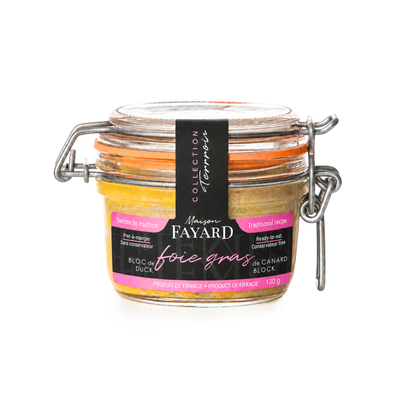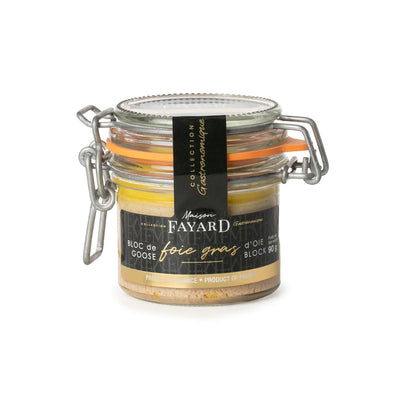

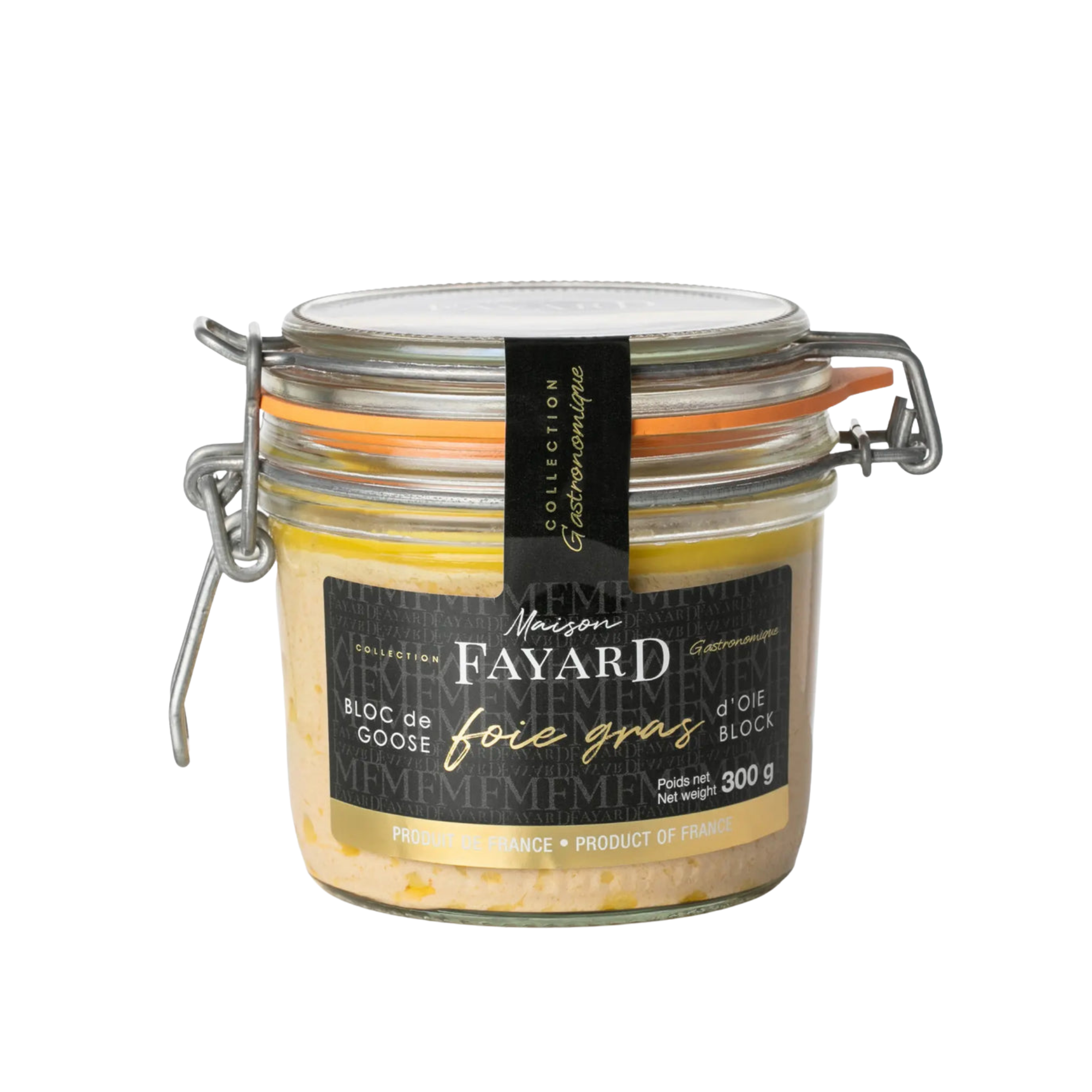
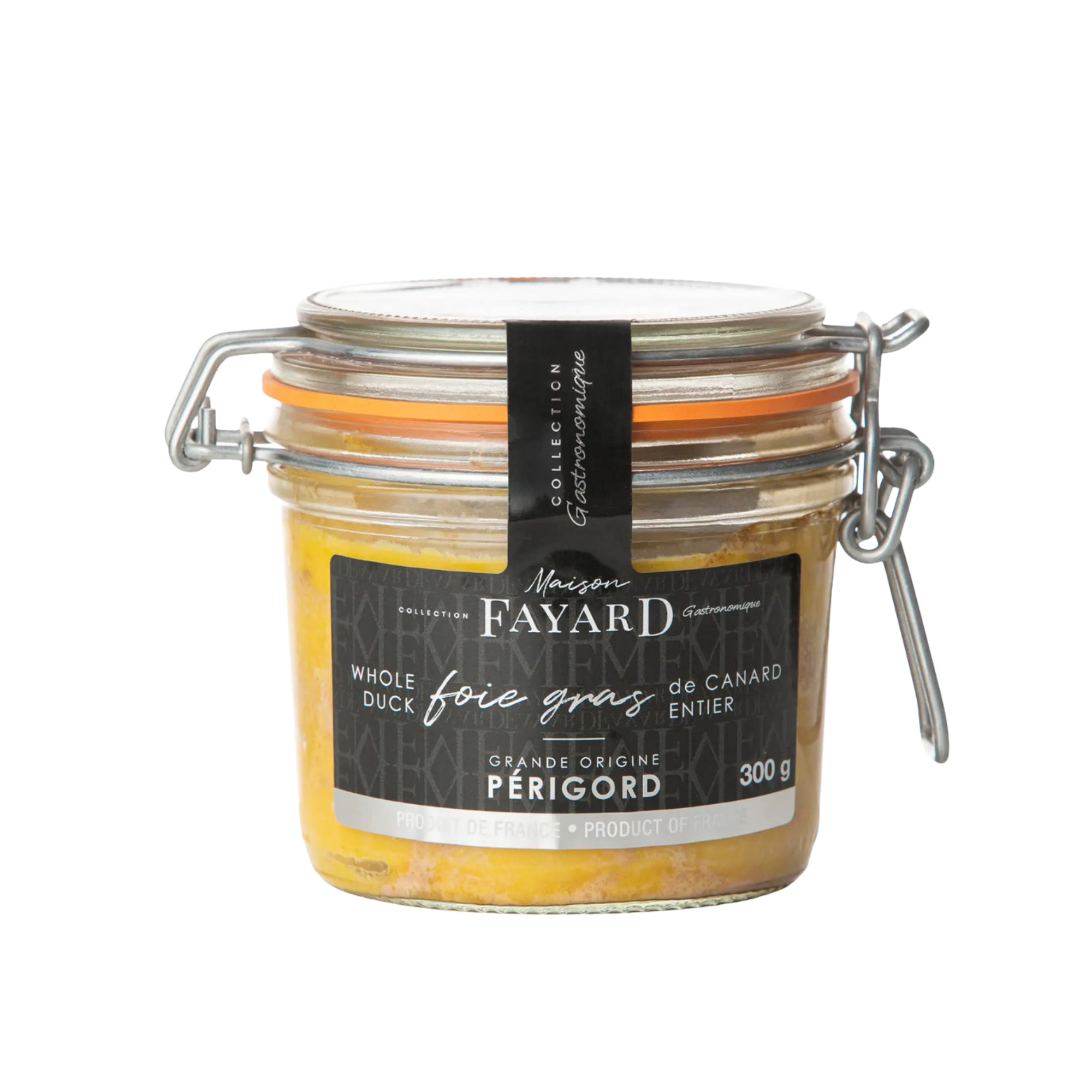

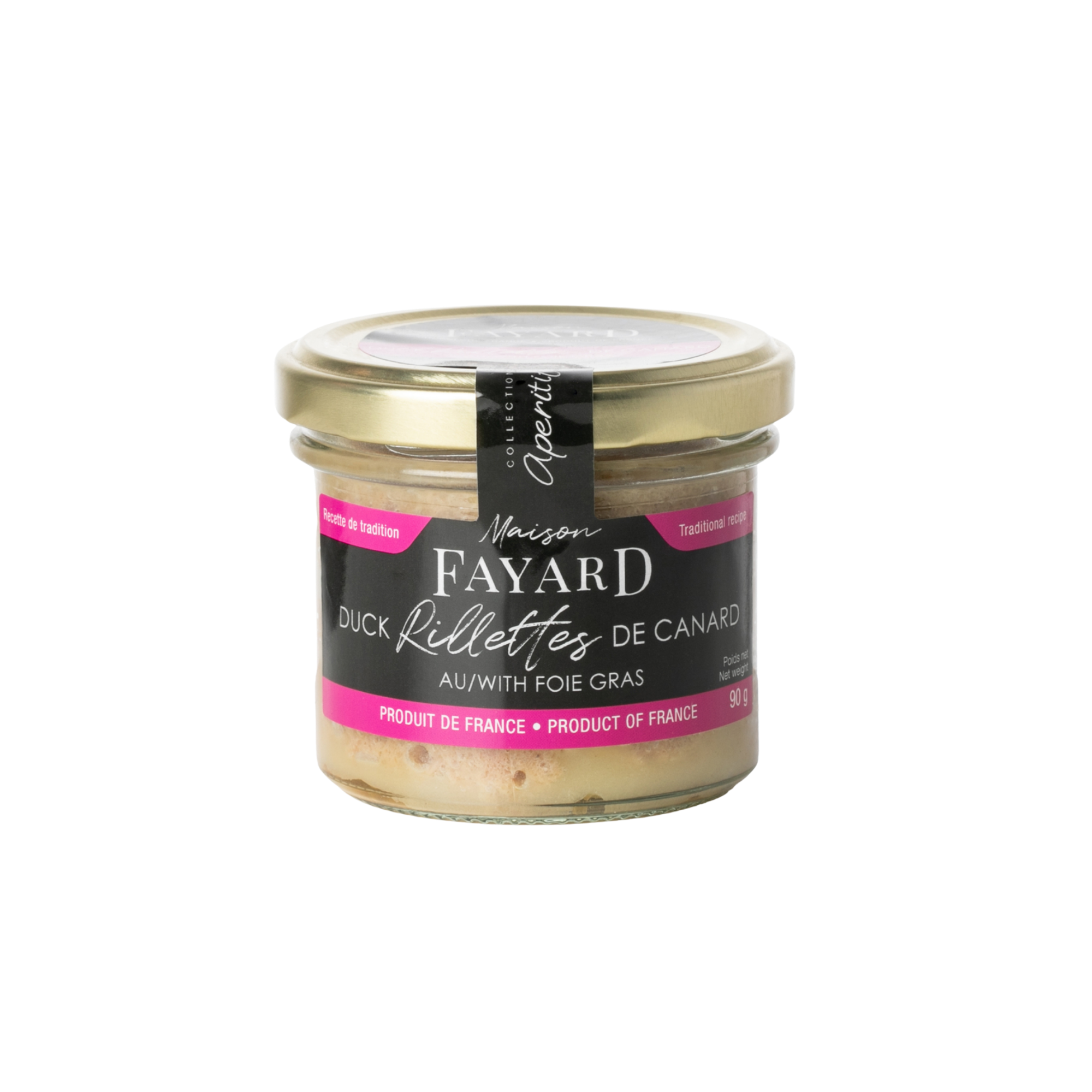
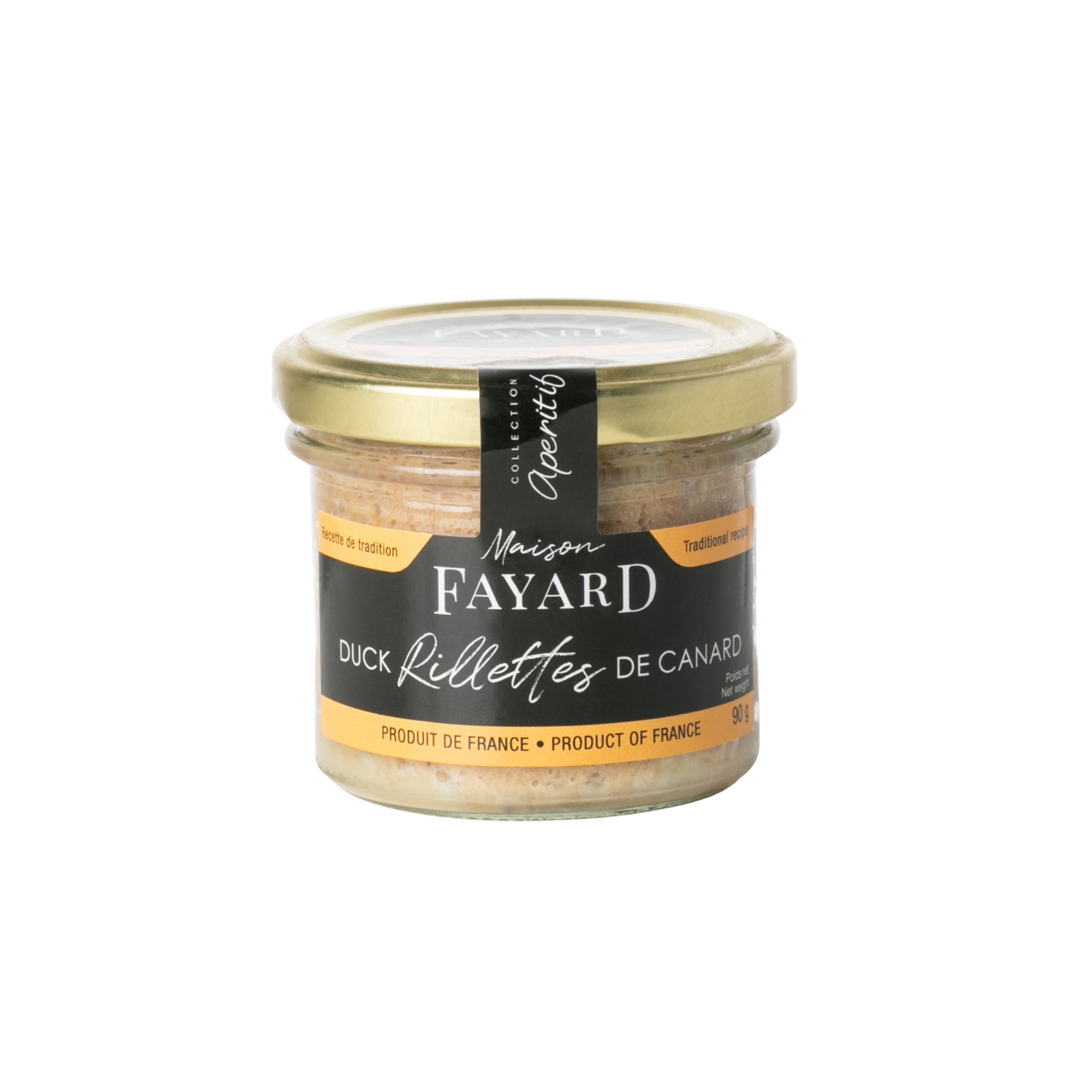
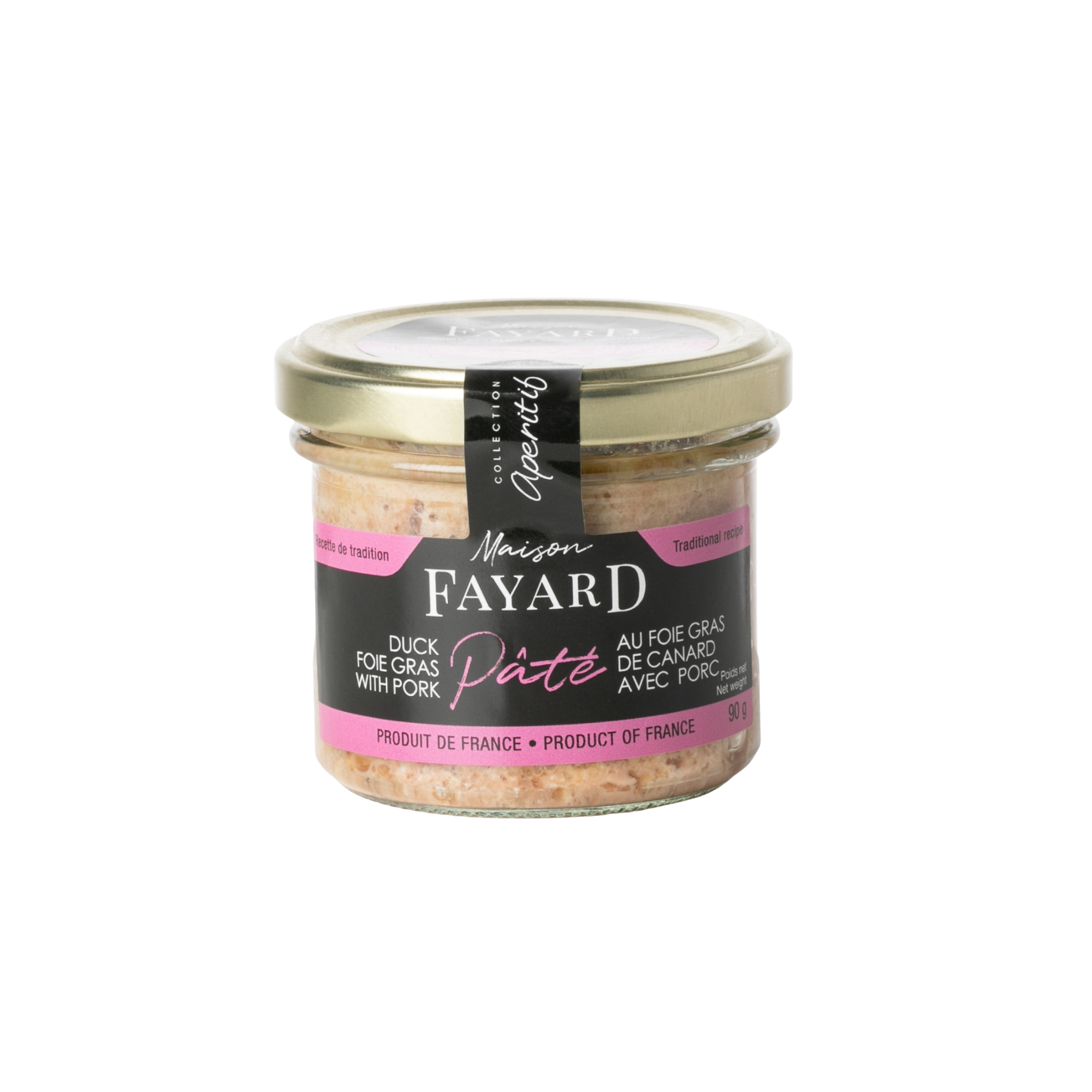
Foie gras is one of the most iconic products of French gastronomy. When you discover this product or want to buy it, one question often comes up: should you choose duck foie gras or goose foie gras? Both are considered exceptional products, but they show differences in taste, texture and aromatic intensity.
Understanding these differences helps you guide your choice according to the occasion, the experience level of your guests and the way the foie gras will be served. Some enthusiasts favour the aromatic power of duck. Others seek the finesse and softness of goose foie gras.
Understanding the two origins
Foie gras can be produced from two main species: duck and goose. Both animals give a high-quality foie gras, but their natural characteristics influence the final result.
Duck foie gras is today the most widespread. It represents the vast majority of French production. Its popularity comes notably from its pronounced taste and its ease of use in cooking.
Goose foie gras is rarer. Its production is more limited and it is often considered more traditional. It has historically been very present in certain gastronomic regions.
These two origins therefore offer two different tasting styles.
Differences in taste
The most noticeable difference between these two foie gras concerns taste.
Duck foie gras has a more intense flavour. Its aromas are more powerful and more distinctive. This intensity often appeals to lovers of gastronomic products with an assertive character.
Goose foie gras, by contrast, offers a softer, more subtle flavour. Its aromas are more delicate and finer.
Some tasters describe goose foie gras as more elegant. Others prefer the aromatic richness of duck foie gras.
The choice therefore often depends on each person's sensitivity to flavours.
Differences in texture
Texture is another important distinction between these two products.
Duck foie gras generally has a slightly firmer texture. This structure lets it hold well when sliced.
Goose foie gras is often more melt-in-your-mouth. Its texture can seem more delicate and silkier on the palate.
This difference also influences how the foie gras is served. Goose foie gras is often appreciated at very refined tastings where texture plays an important role.
Duck foie gras is often more versatile and easier to use for various presentations.
Uses at tasting
The tasting style can also guide the choice between these two products.
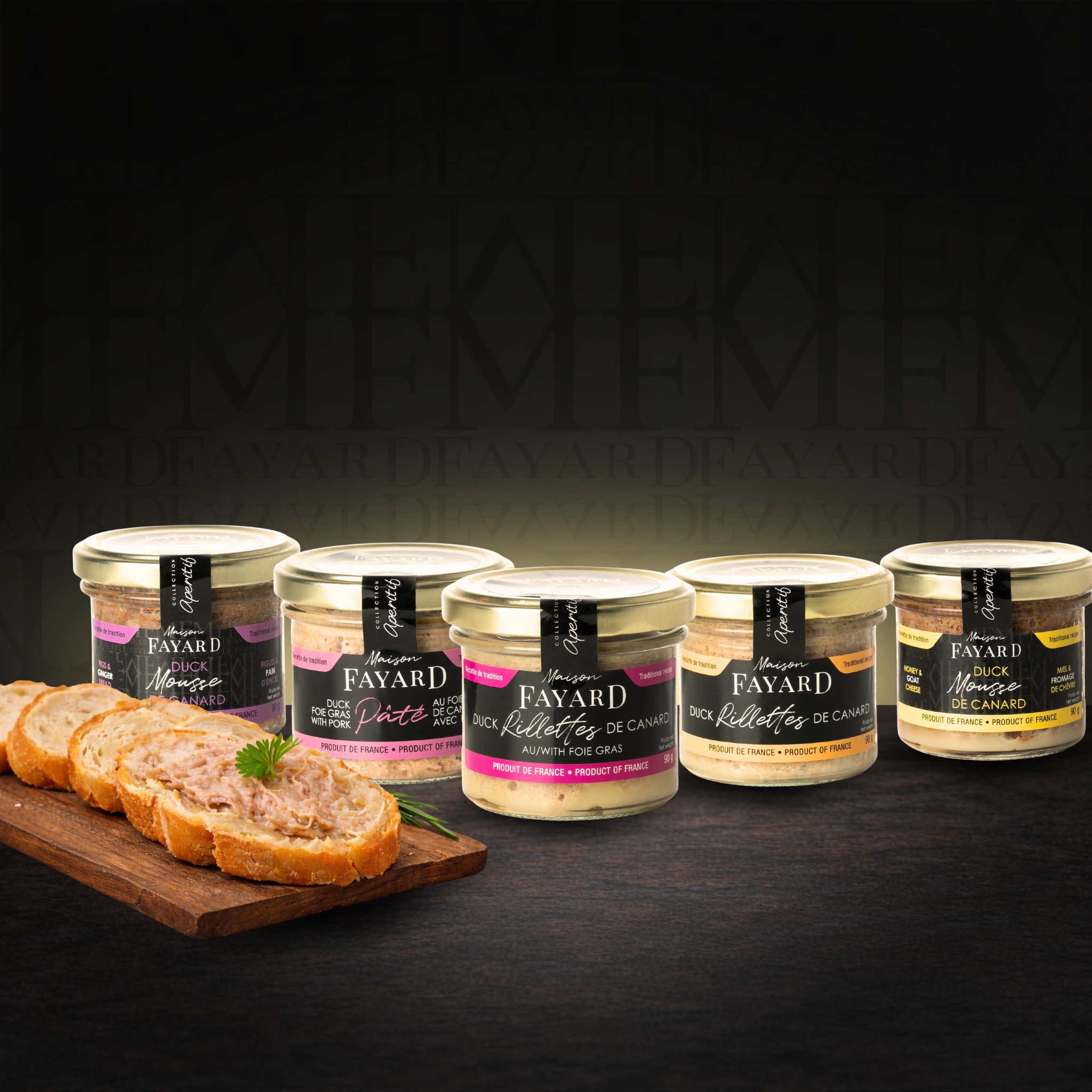
Duck foie gras is particularly appreciated for aperitifs and convivial tastings. Its aromatic power lets it stay present even when accompanied by pain d'épices, toast or chutney.
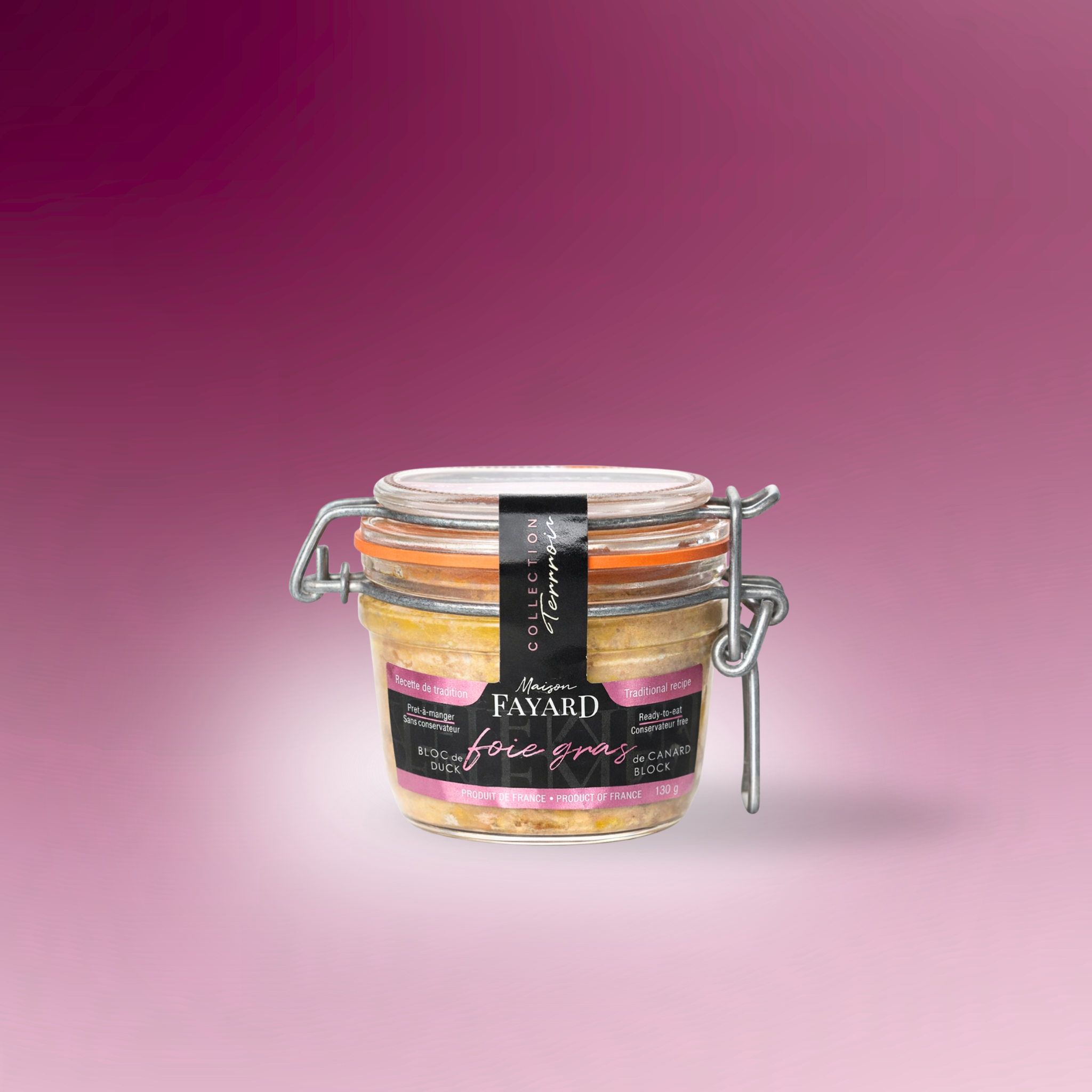
It works very well when served as a block or in a jar and spread on lightly toasted bread.
Goose foie gras is often reserved for more gastronomic tastings. Its finesse comes through particularly well when served in slices with a simple accompaniment.
A lightly toasted bread is often enough to showcase its delicate aromas.
Differences in price
Goose foie gras is generally rarer on the market. This rarity partly explains its often higher price.
The production of geese for foie gras is more limited than that of duck. The product is therefore more exclusive.
Duck foie gras remains more accessible while offering excellent gastronomic quality.
For this reason, it is today the most consumed and the most used in fine-food shops and restaurants.
Pairings with accompaniments
Accompaniments can also influence the perception of the foie gras.
Duck foie gras handles sweet pairings very well, such as pain d'épices, fig chutney or onion jam. Its aromatic power stays well present despite these flavours.
Goose foie gras often calls for more discreet accompaniments. A good lightly toasted bread or a plain toast helps preserve its finesse.
In a fine-food tasting like those offered by Maison Fayard, these simple accompaniments help reveal the nuances between these two types of foie gras.
How to choose?
The choice between duck foie gras and goose foie gras depends above all on the tasting style you are looking for.
If you enjoy rich, intense flavours, duck foie gras is often the best choice. It has a more pronounced character and pairs very well with various accompaniments.
If you are looking for a finer, more delicate tasting, goose foie gras can offer a more subtle experience.
The tasting moment can also influence the decision. For a convivial aperitif, duck foie gras is often more versatile.
For a gastronomic starter or a very refined tasting, goose foie gras can be particularly appreciated.
In every case, the key is to choose a quality product and to accompany it simply with good bread or a few toasts in order to showcase all its richness.
What is the difference between duck and goose foie gras?
Duck foie gras has a more intense taste and a slightly firmer texture. Goose foie gras offers a softer flavour and a more melt-in-your-mouth texture.
Which foie gras is the finest?
Goose foie gras is generally considered finer and more delicate on the palate. Its aromas are often more subtle.
Which foie gras to choose for an aperitif?
Duck foie gras is often preferred for aperitifs because its more pronounced taste works well with various accompaniments.
Is goose foie gras better?
It is not necessarily better but different. The choice depends above all on personal preferences and the tasting style you are looking for.