



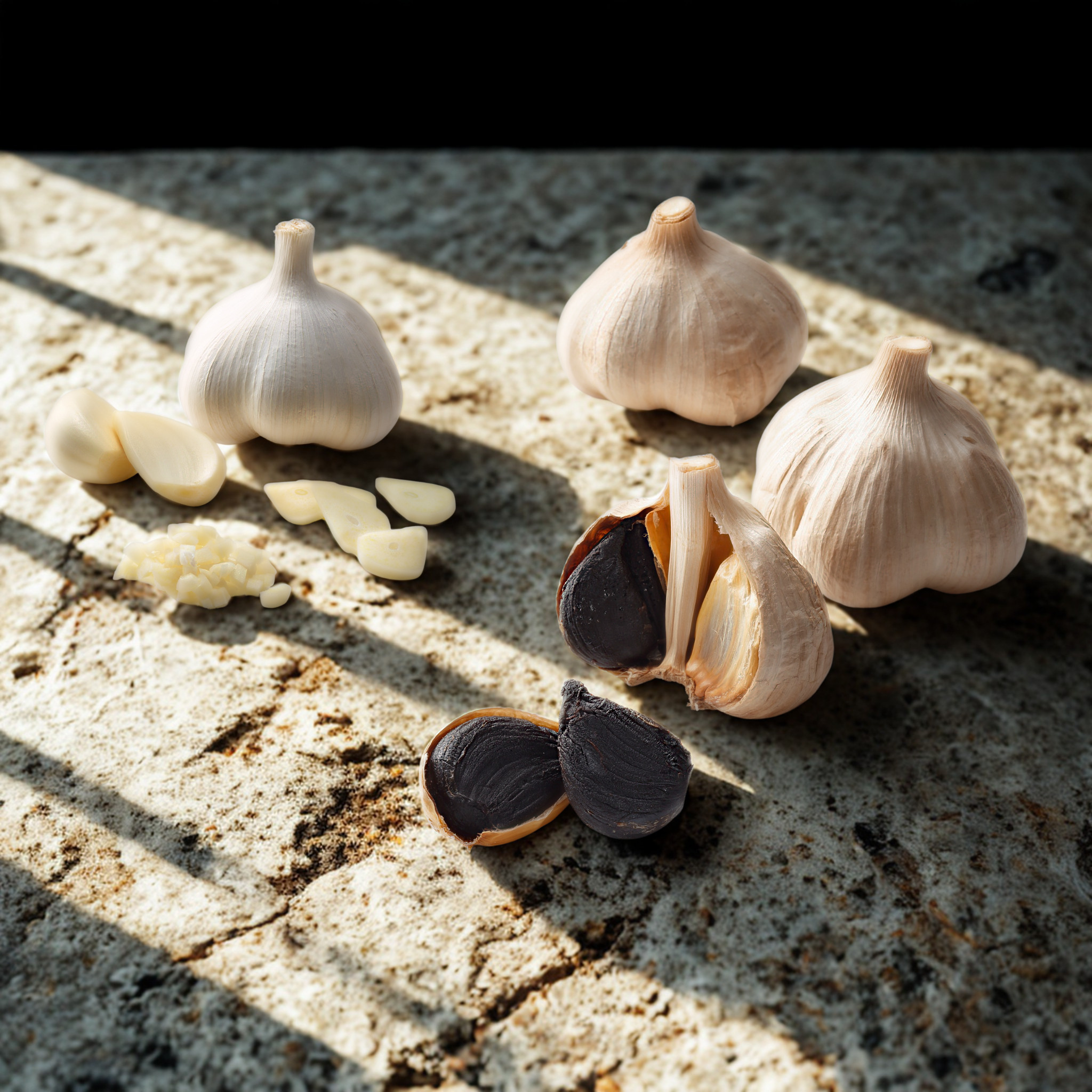
Black garlic vs regular garlic: taste, texture and nutrition
Black garlic and regular garlic share the same origin, but everything sets them apart the moment you taste them. Discover how they really differ in taste, texture and nutrition, to know which to ch...
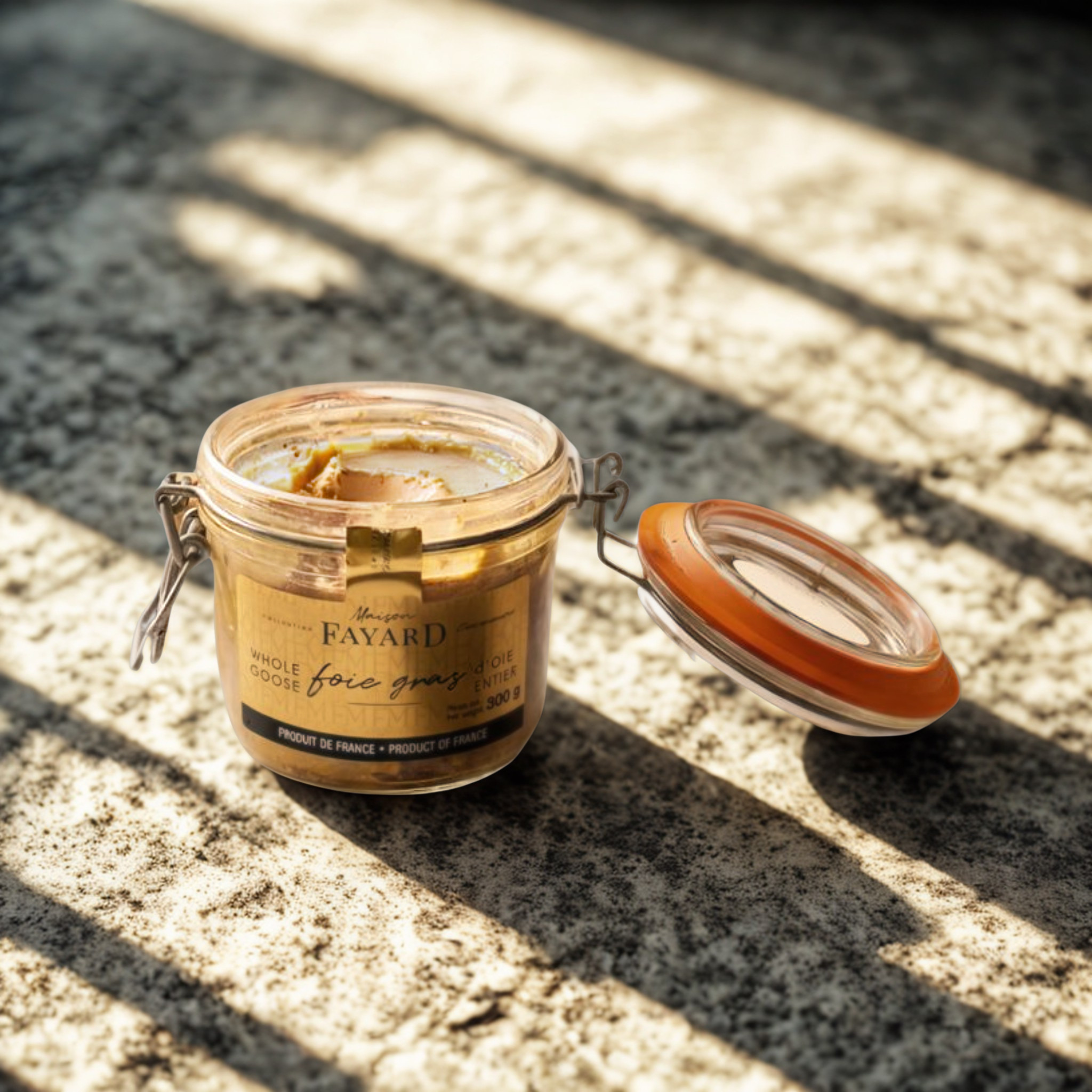
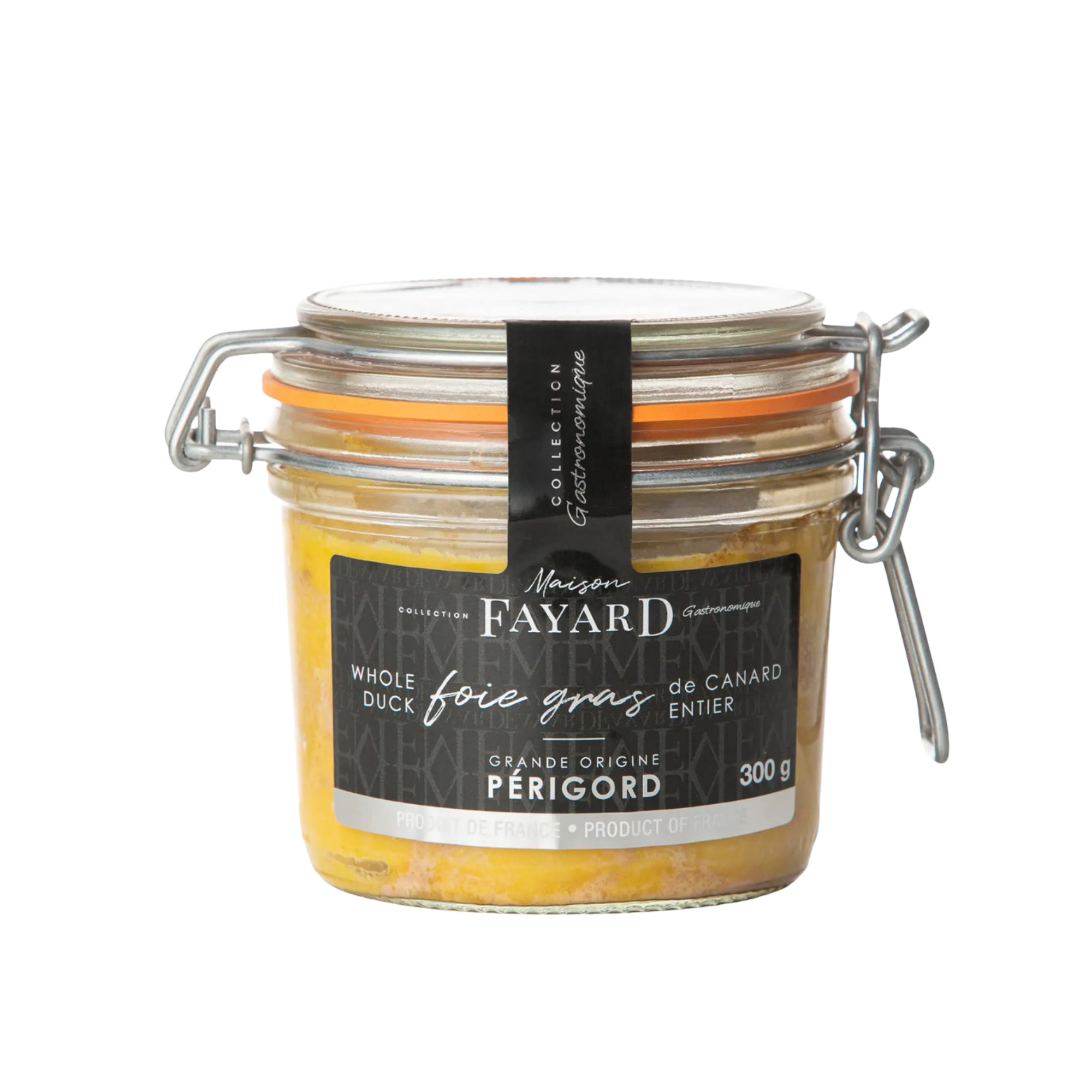
Whole foie gras in a jar: why does it turn grey?
Opening a jar of whole foie gras and finding a greyish tint can be surprising. This colour variation, which is very common, is in the vast majority of cases perfectly normal and has no effect on th...
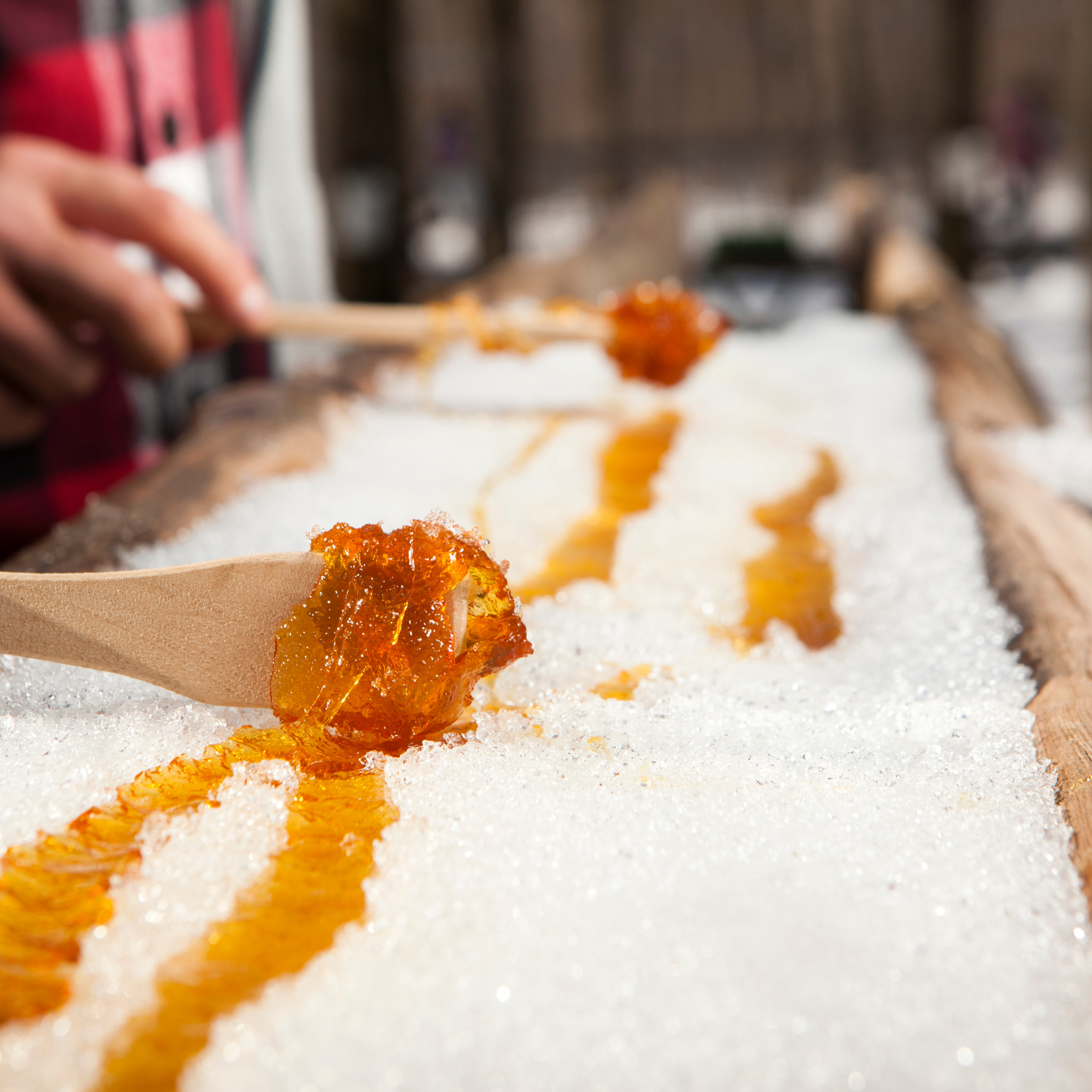
From Quebec to your table: how is maple syrup made?
Behind every bottle of maple syrup lies a unique seasonal ritual, rooted in Quebec's forests. From tapping the tree to canning, discover the steps of an exceptional artisanal production.
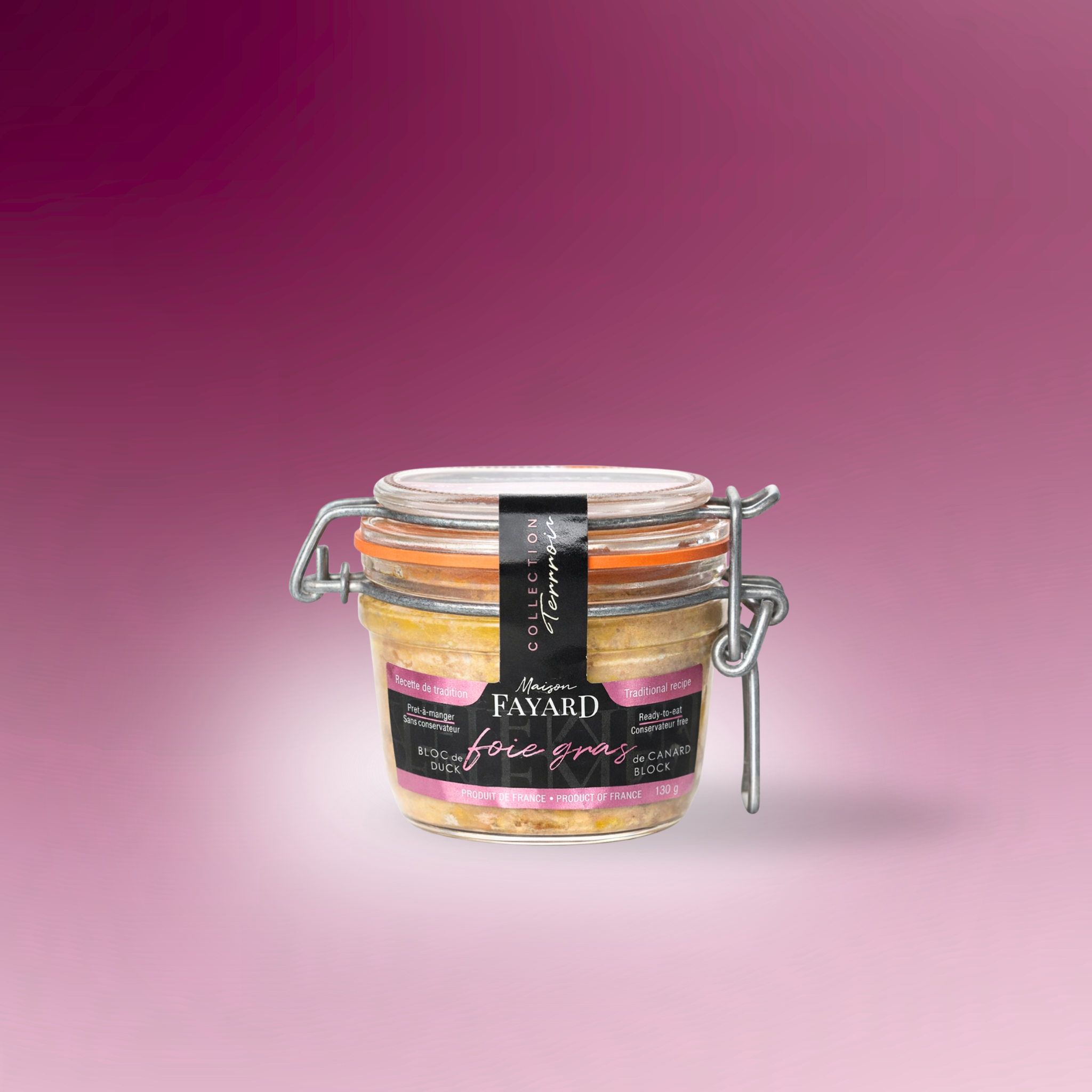
Duck or goose foie gras: what are the differences
Duck foie gras or goose foie gras: these two specialties are often compared. Yet their texture, aromatic intensity and use at tasting can differ. Understanding these nuances helps you choose the fo...
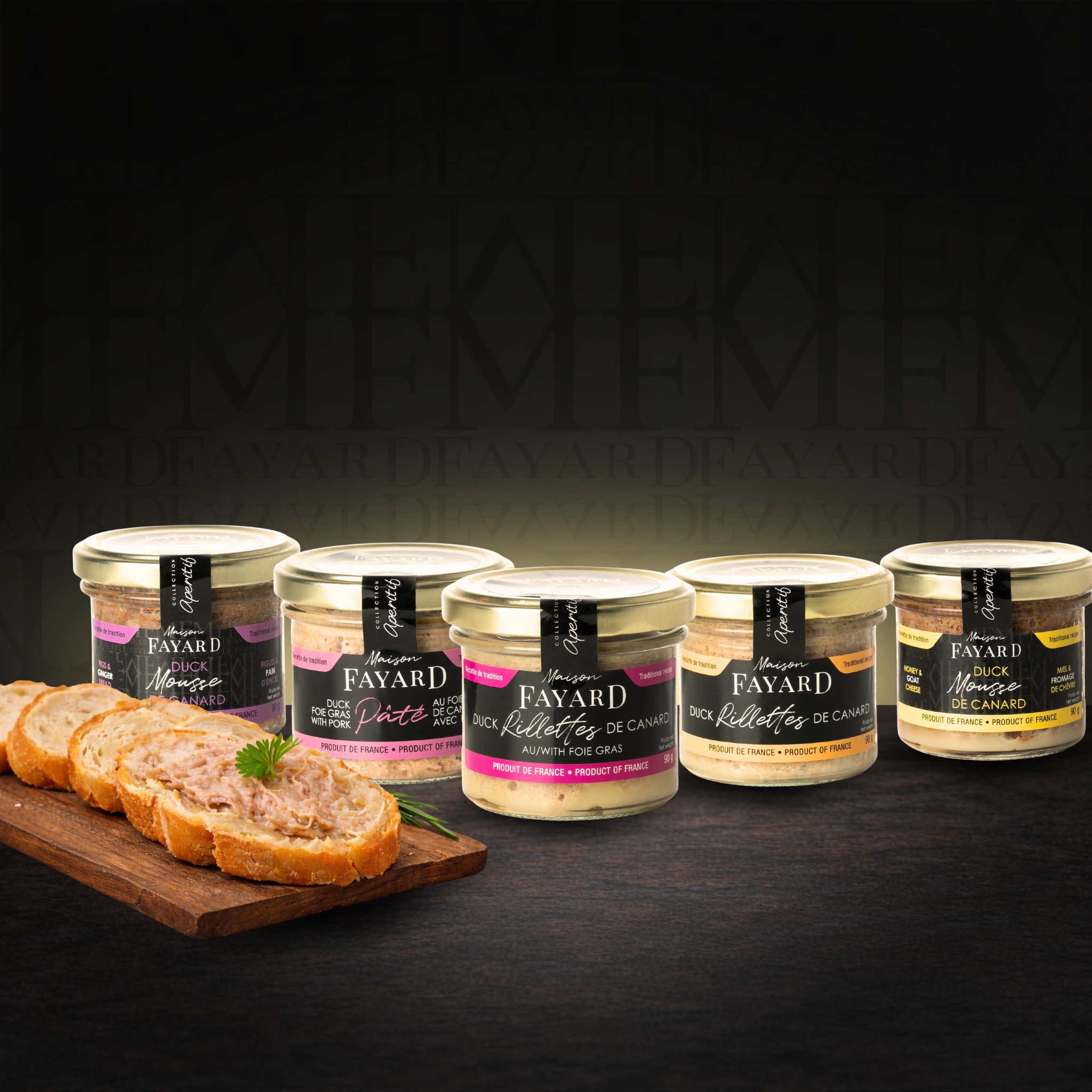
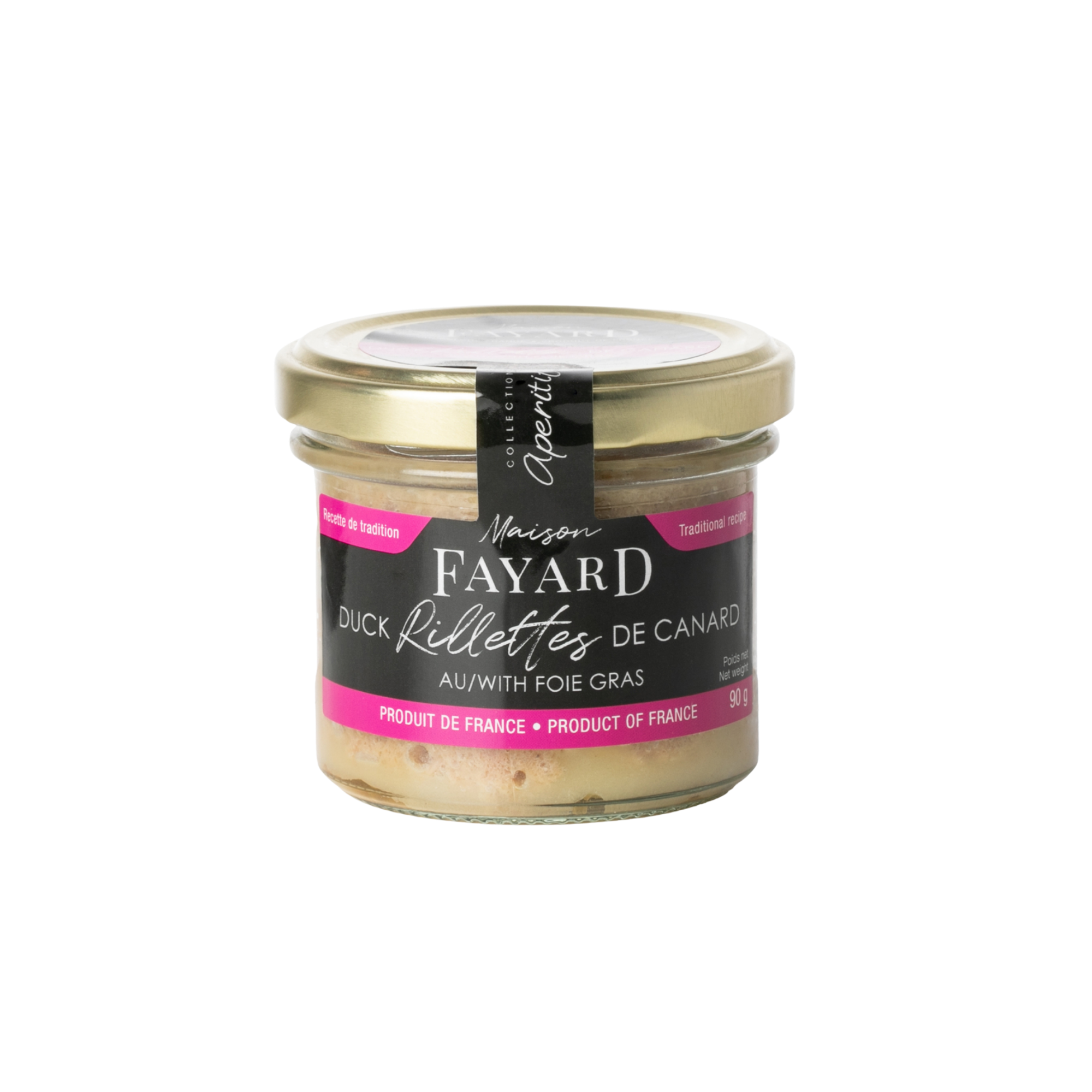
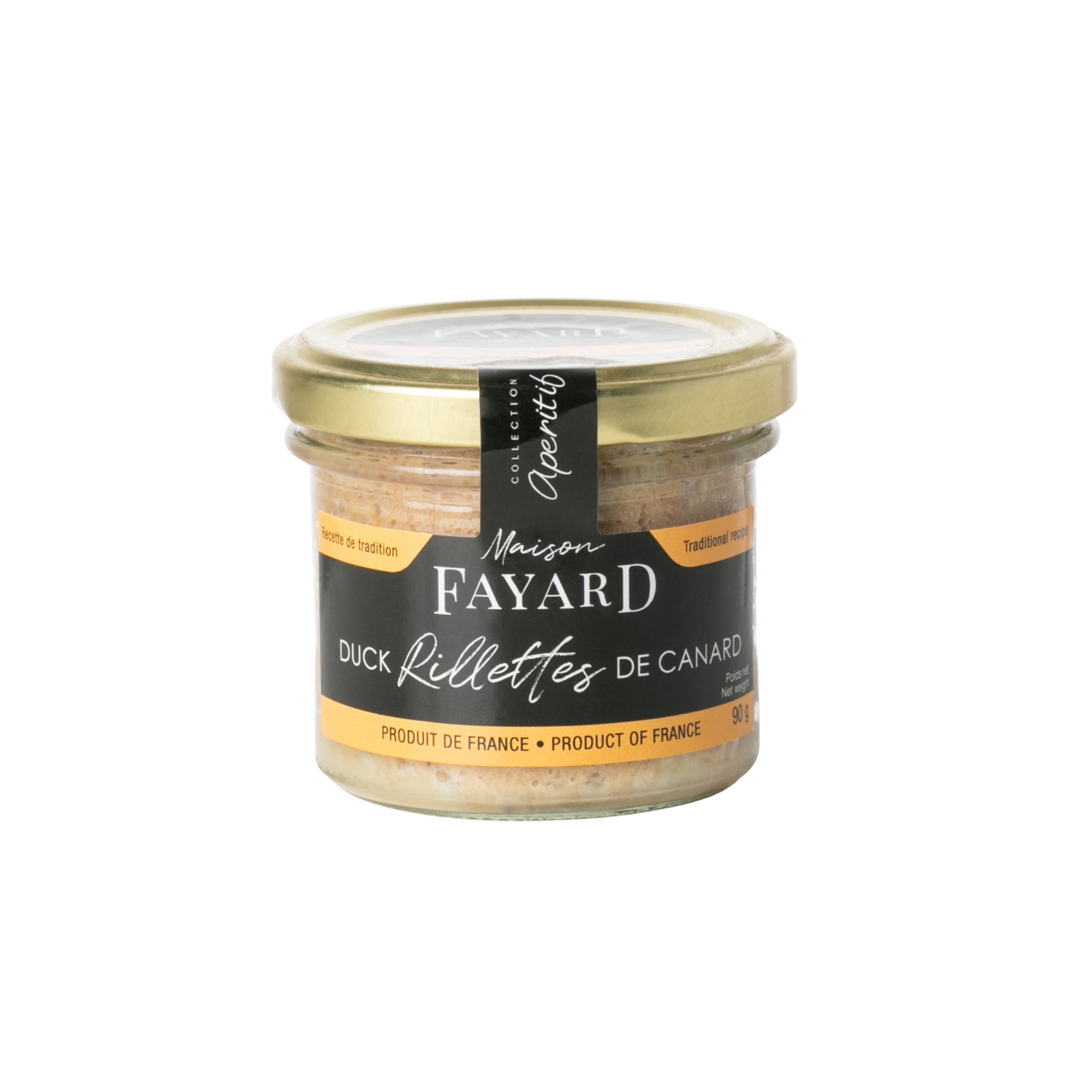
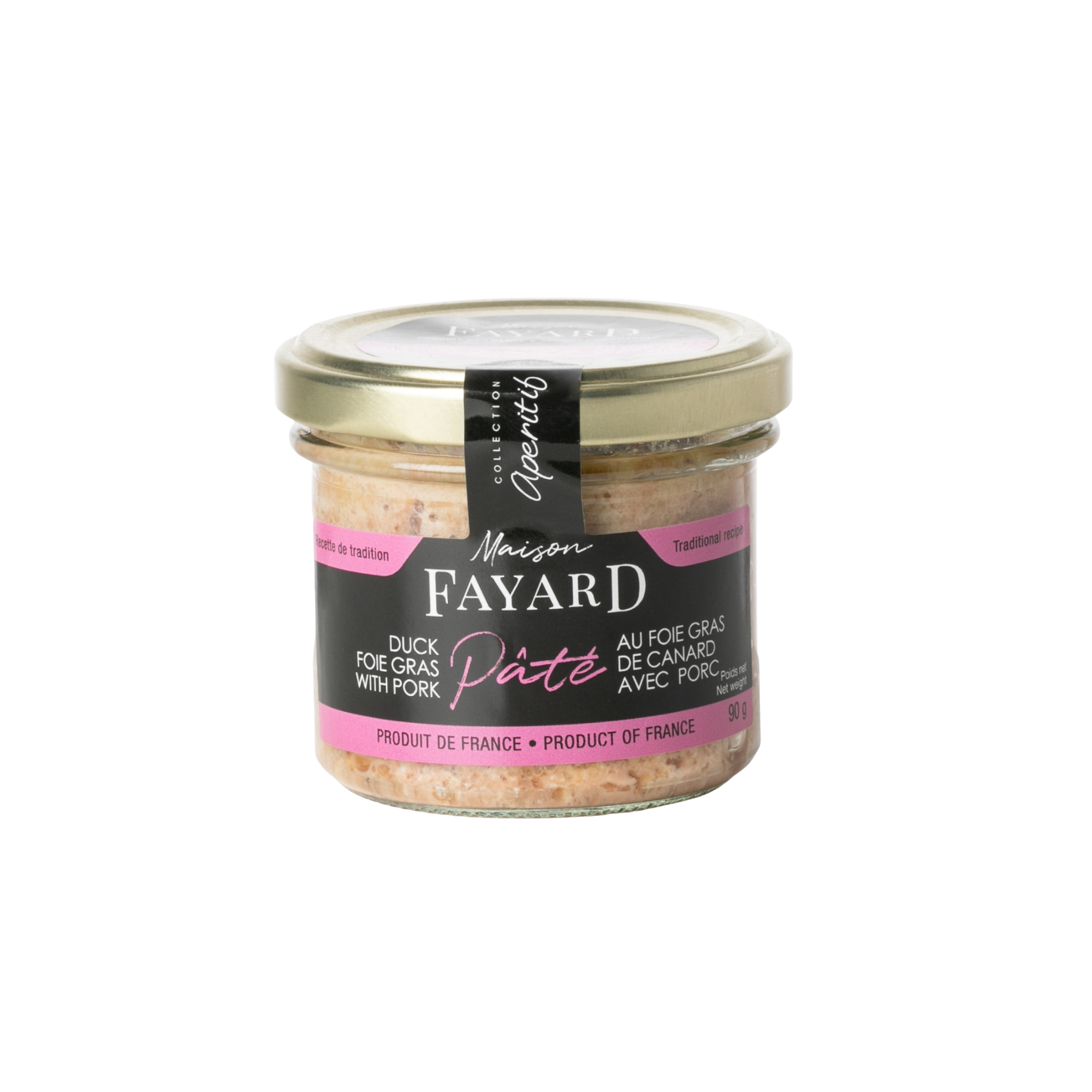
What is the difference between a terrine, a pâté, a mousse and rillettes?
Understanding the difference between terrine, pâté, mousse and rillettes helps you choose according to your taste. Discover their textures, their preparations and the specialties offered by Maison ...
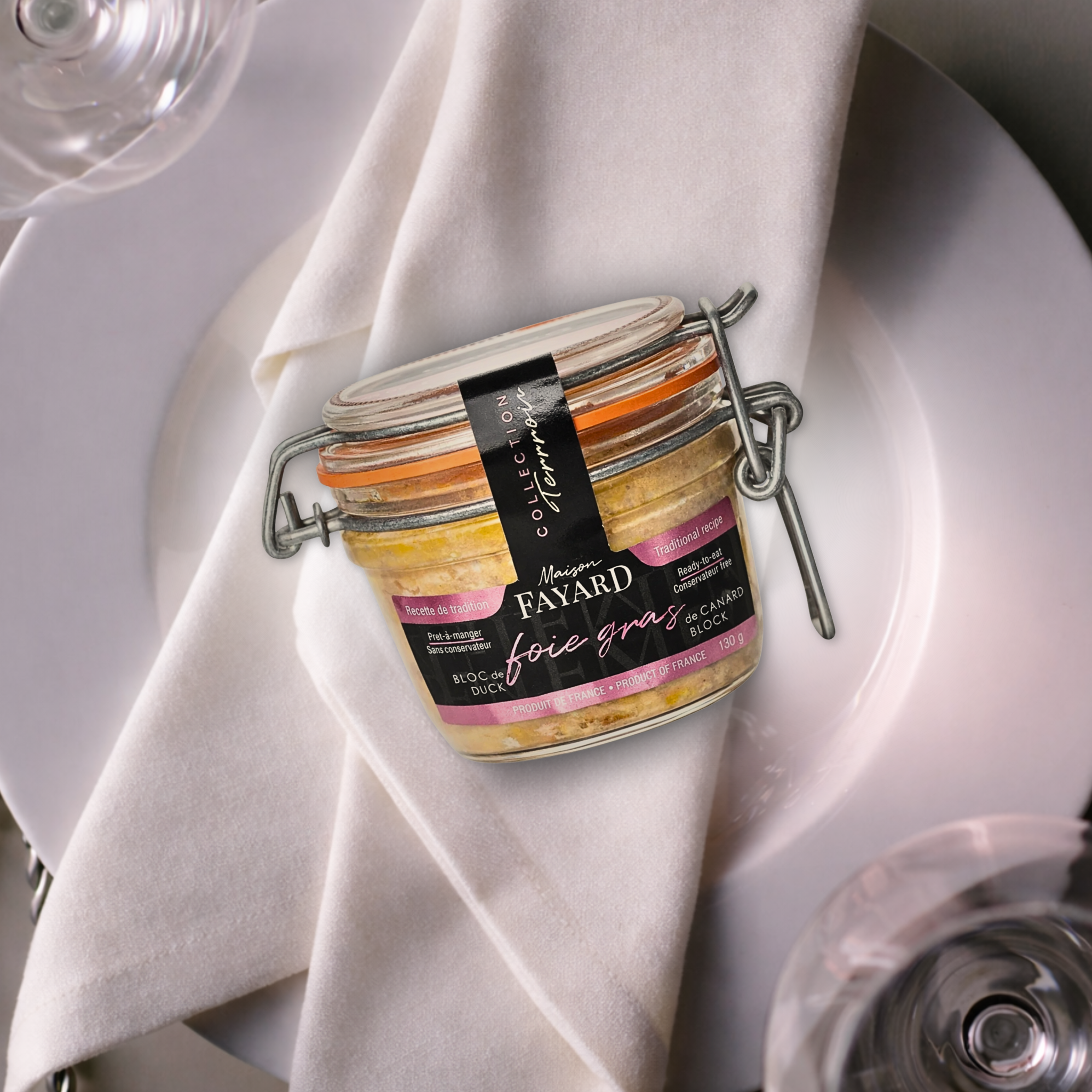
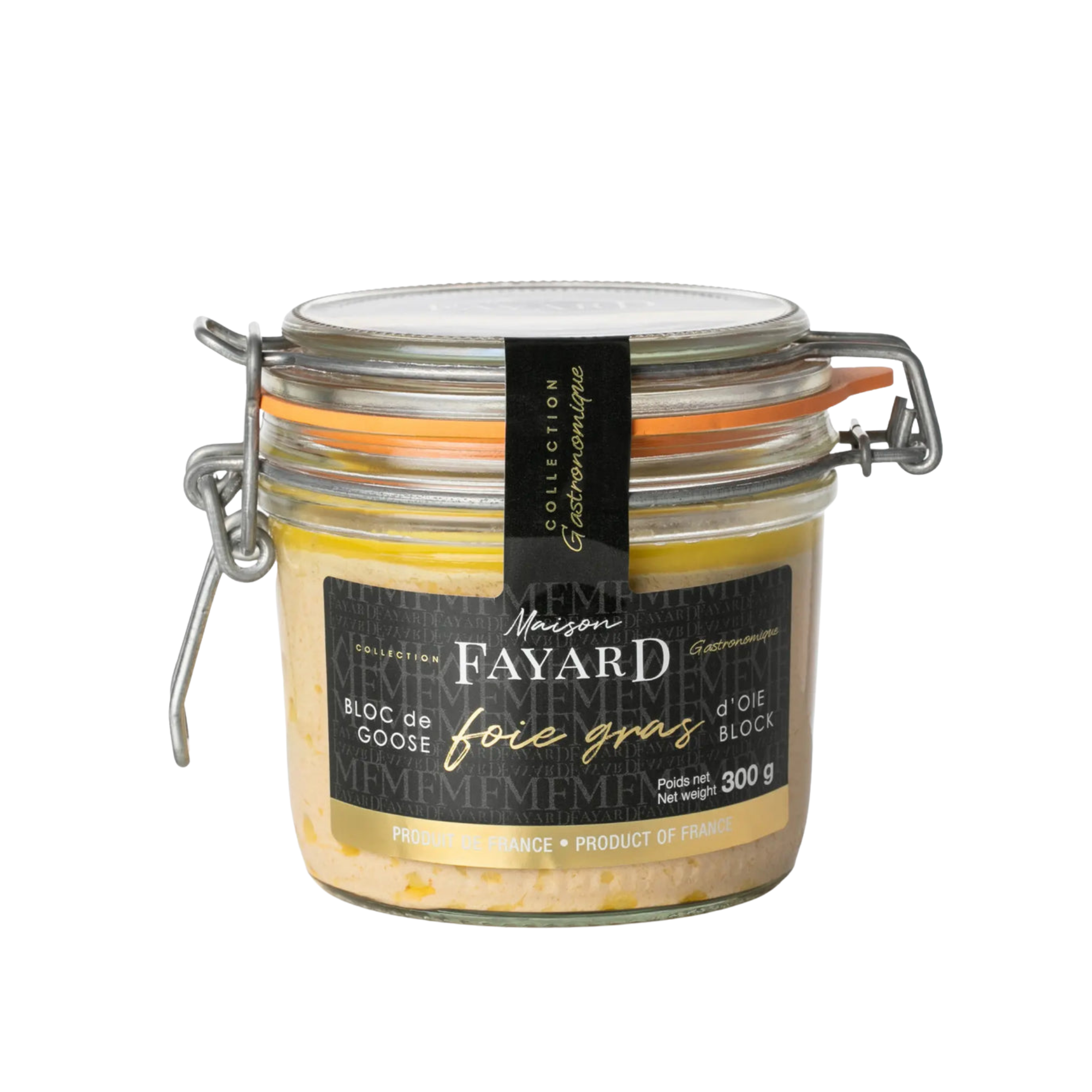
Block of foie gras or whole foie gras: understanding the difference
Block of foie gras or whole foie gras: these two names are often confused. Yet their texture, production and use at tasting can differ. Understanding these distinctions helps you choose the foie gr...

NEWSLETTER
STAY UP TO DATE with what's new
Be the first to hear about new products, news and the latest inspiration from Maison Fayard.
By subscribing, you agree to receive our communications. You can unsubscribe at any time.