

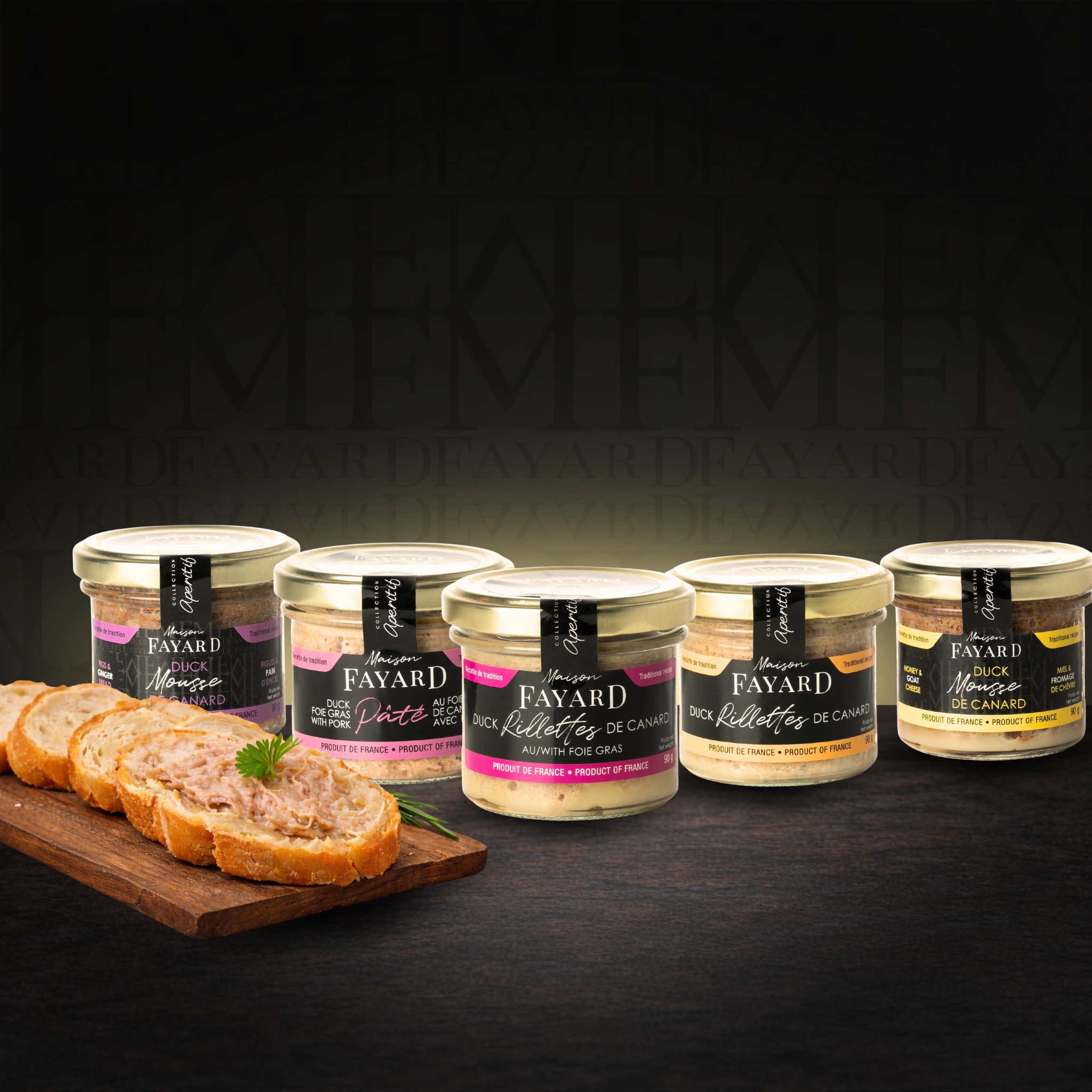
What is a terrine?
The terrine is a traditional preparation of French gastronomy generally made of meat, fish or sometimes vegetables. It takes its name from the container in which it was historically cooked, an earthenware mould also called a terrine. Cooking is done slowly in the oven, which lets the ingredients develop rich, balanced flavours.
In traditional recipes, the meats can be minced or cut into pieces then mixed with herbs, spices or sometimes a little alcohol to lift the aromas. Once cooked, the preparation is left to rest so that the texture firms up and the flavours stabilize.
Today, when offered in a jar, the terrine keeps the same principles of preparation. The texture generally stays lightly structured, sometimes with small visible pieces, which gives it a rustic, authentic character. It spreads easily on bread and offers a generous, flavourful tasting.
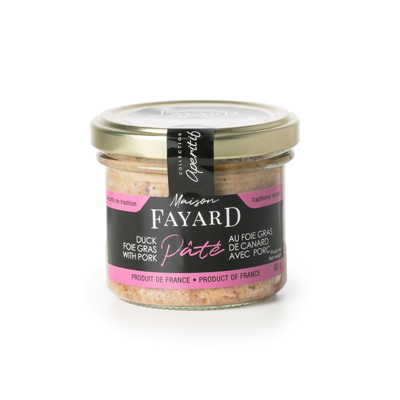
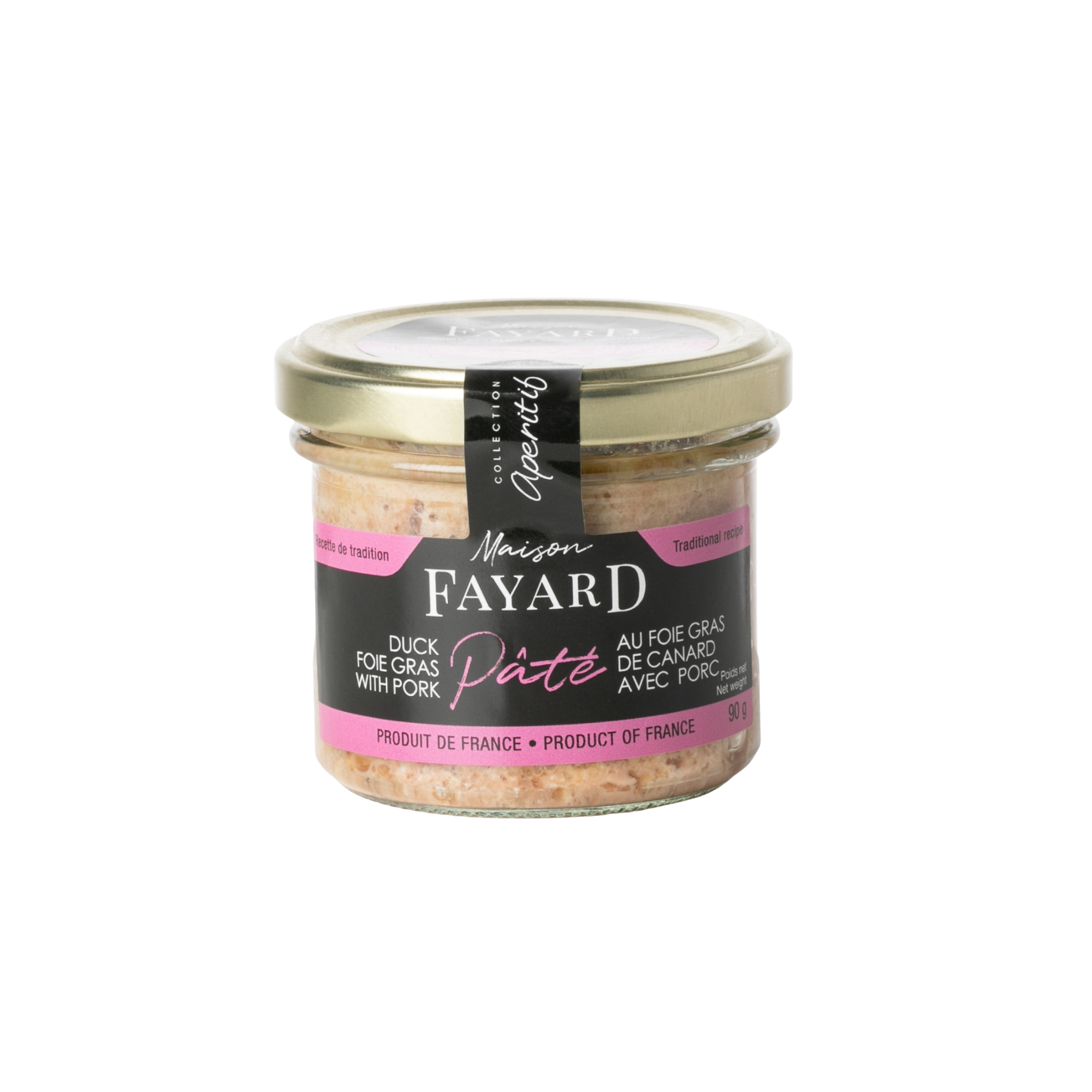
What is a pâté?
The pâté is a charcuterie preparation close to the terrine but which stands out for its generally finer, more homogeneous texture. It is made from a stuffing of very finely minced meat, often seasoned with spices, herbs and sometimes a little liver to enrich the flavours.
Historically, the pâté was often cooked in a pastry, which gave rise to the famous pâté en croûte. However, in many modern recipes, notably those offered in a jar, the pâté is simply prepared as a cooked, seasoned stuffing without a pastry casing.
Its texture is generally smoother than that of a terrine, which makes it very easy to spread. It offers a balanced taste and a more uniform structure, which makes it an ideal option for those who want a flavourful but more melt-in-your-mouth preparation.
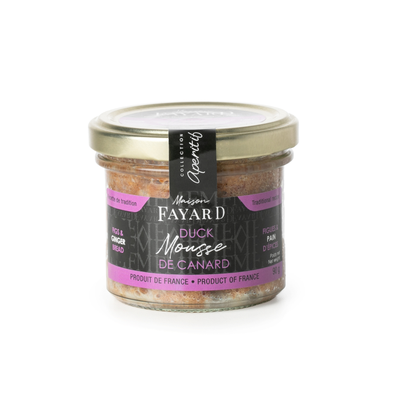
What is a mousse?
The mousse stands out above all for its particularly light, creamy texture. Unlike terrines or pâtés, the ingredients are blended very finely to obtain a perfectly smooth preparation.
This airy texture is often achieved by adding cream, butter or sometimes egg whites to the preparation. The mixture is then chilled to take its final consistency.
In a jar, the mousse is easily recognized by its very soft, homogeneous texture. It spreads very easily on bread or toast and offers a particularly melt-in-your-mouth sensation on the palate. Mousses are often appreciated for their finesse and delicate side.
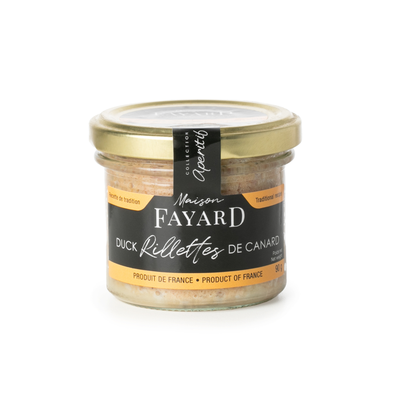
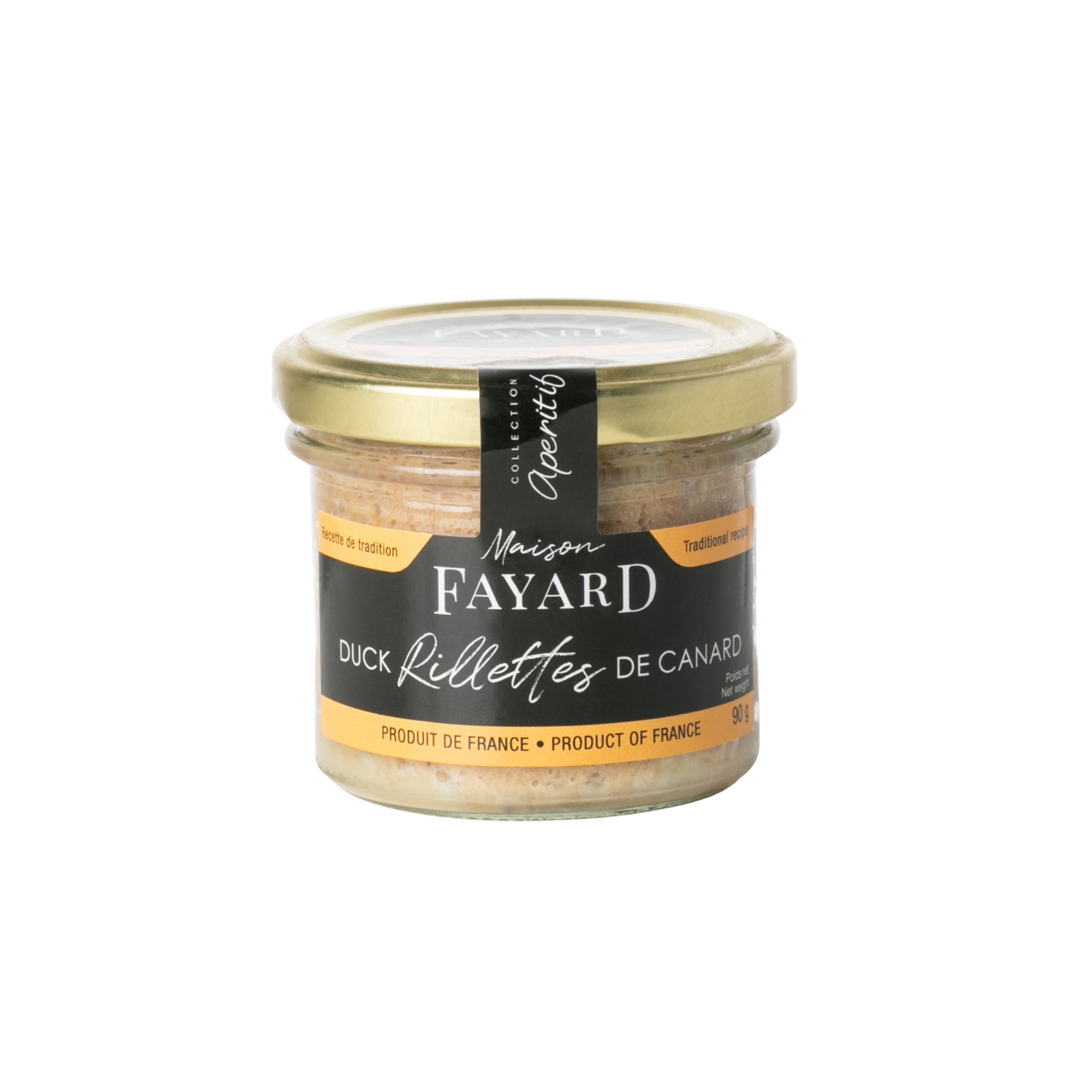
What are rillettes?
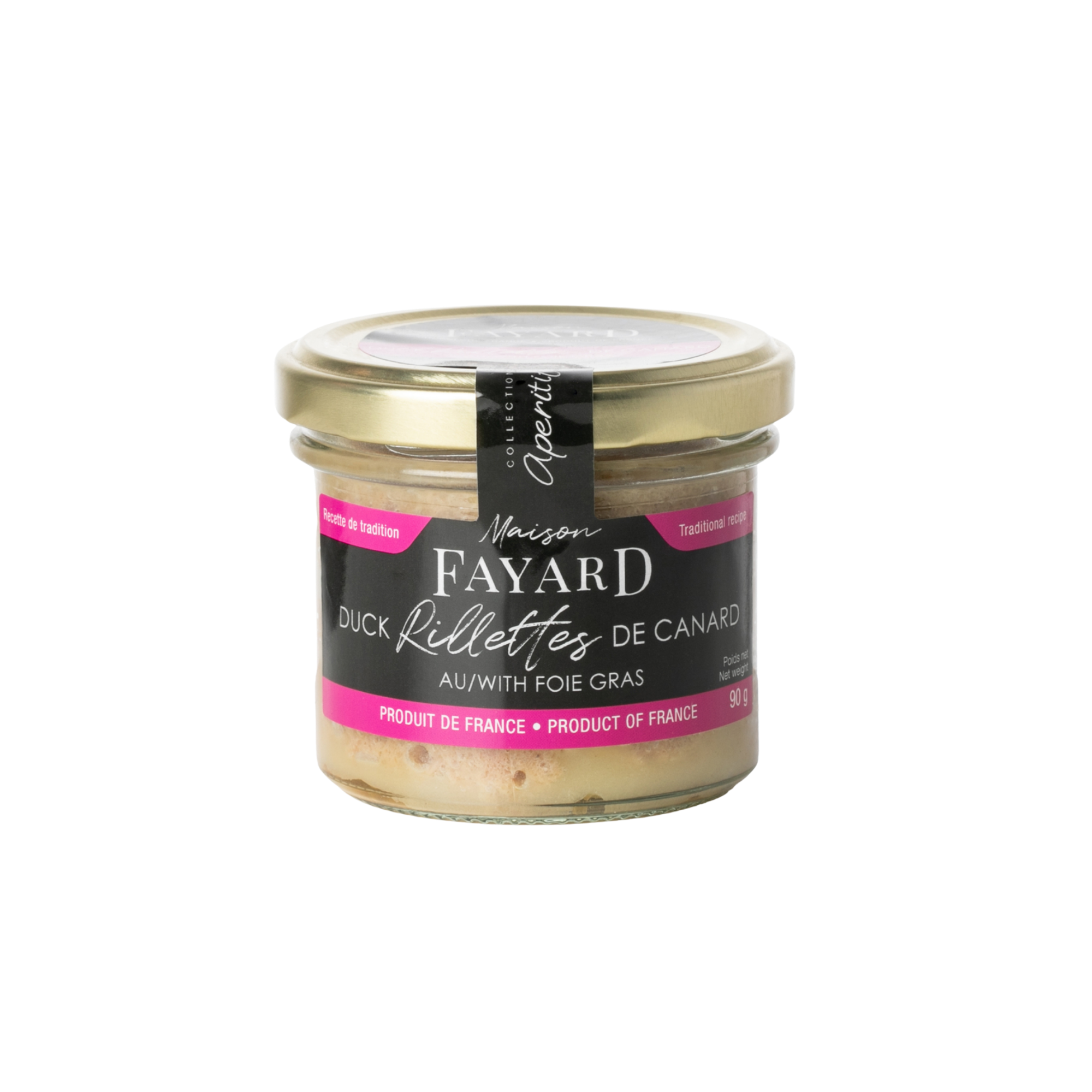
Rillettes stand out for a much more fibrous, generous texture than the other preparations. The meat is cooked slowly for several hours in its fat until it becomes very tender.
Once the cooking is finished, the meat is pulled then mixed with part of the cooking fat. This process gives rillettes their characteristic texture, both melt-in-your-mouth and lightly stringy.
Presented in a jar, rillettes keep this rustic look with visible meat fibres. They offer a rich, indulgent tasting, particularly appreciated on a slice of fresh bread.
How to choose between terrine, pâté, mousse and rillettes?
Even though these four specialties are often enjoyed in the same way, their texture and character are quite different. Understanding these differences helps you choose according to your preferences.
The terrine generally offers a more structured texture and a rustic character. The pâté offers a finer, more homogeneous texture. The mousse is the smoothest and lightest preparation. Rillettes, for their part, stand out for their pulled, generous texture.
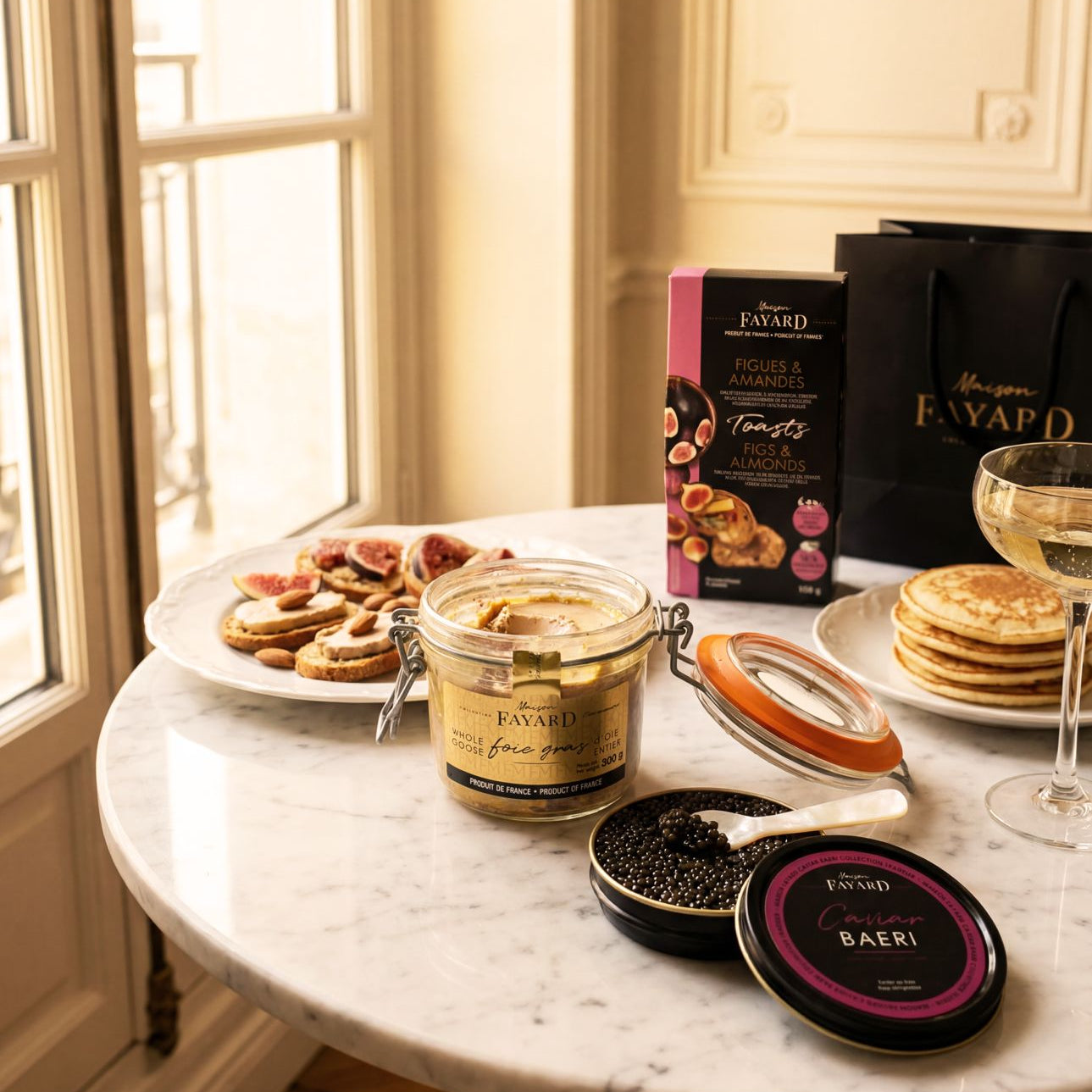
These different preparations let you vary the pleasures at aperitif time or as a starter. Offered in a jar, they are easy to share and offer several tasting styles, letting everyone find the texture and taste that suit them best.