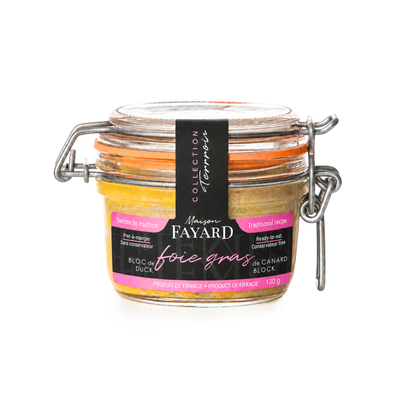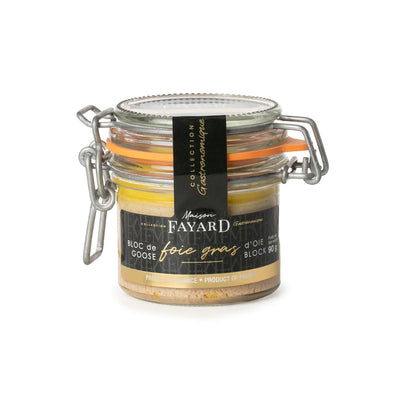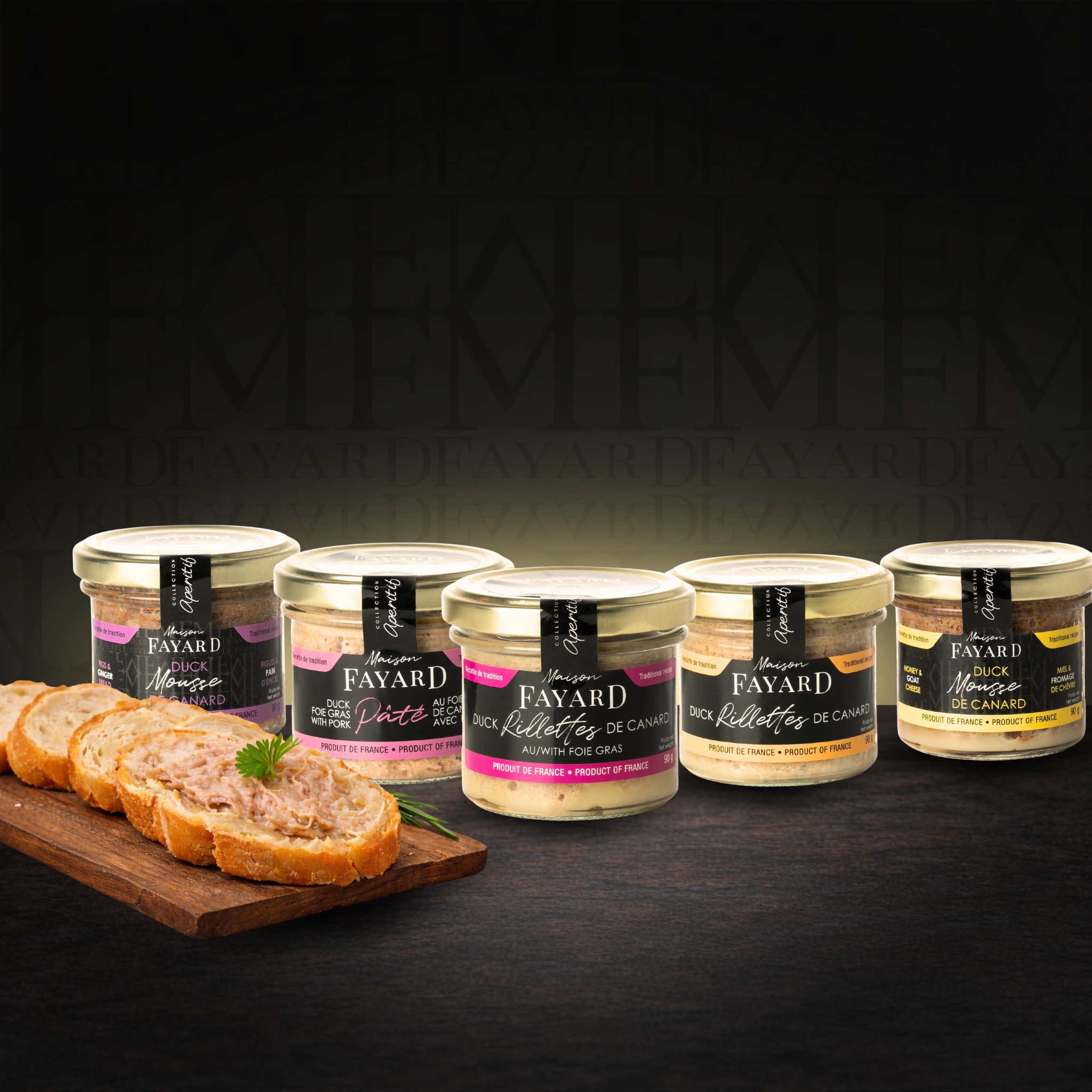

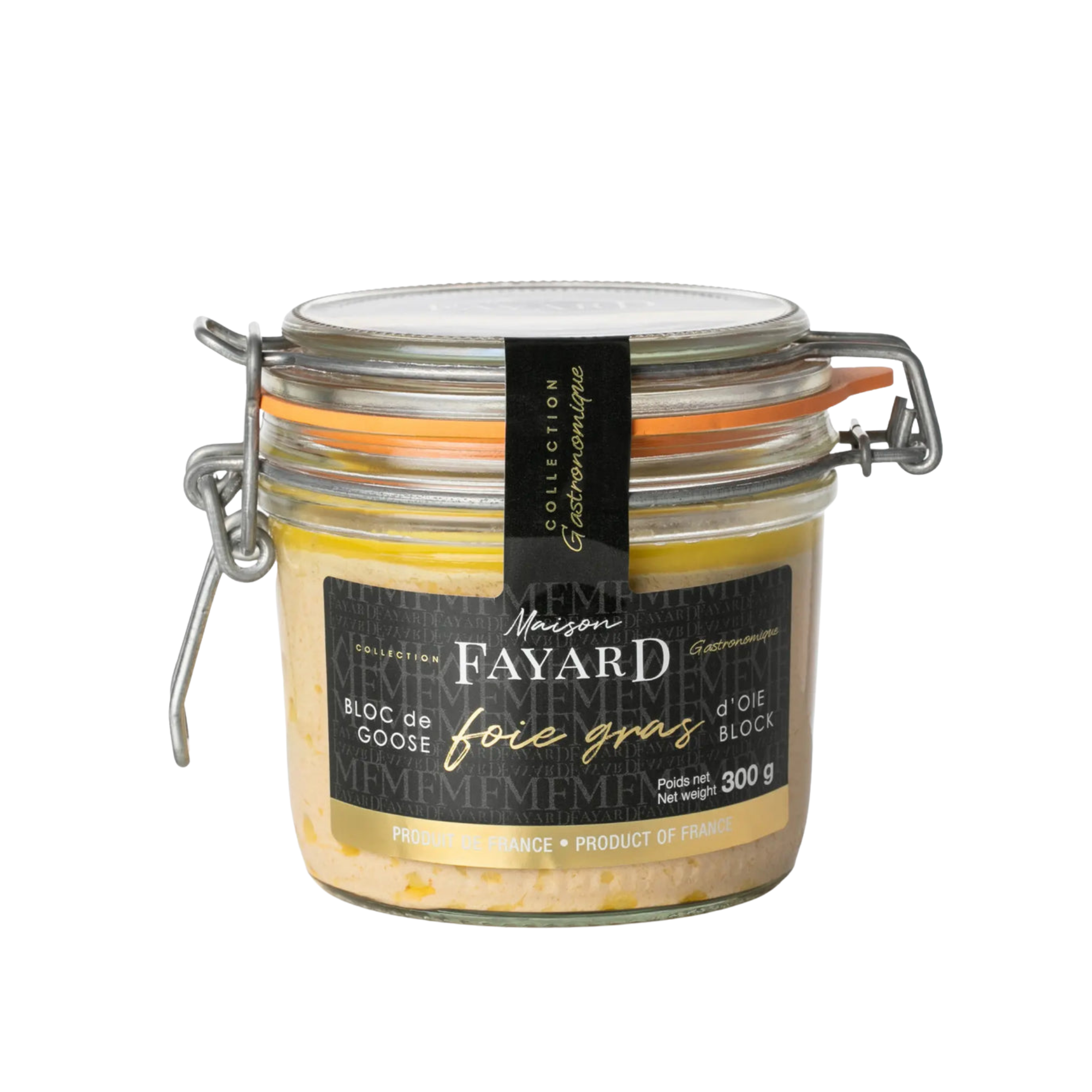
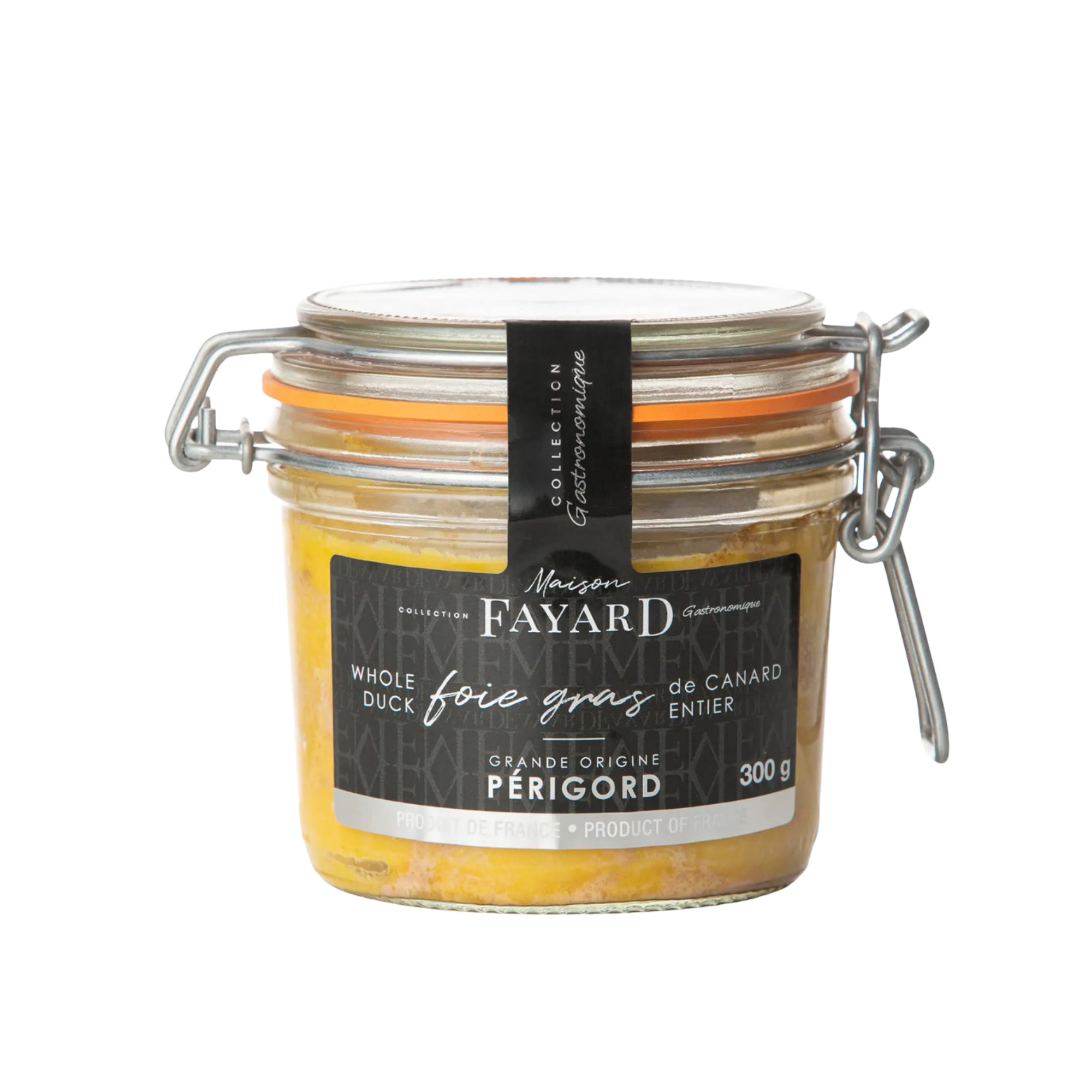

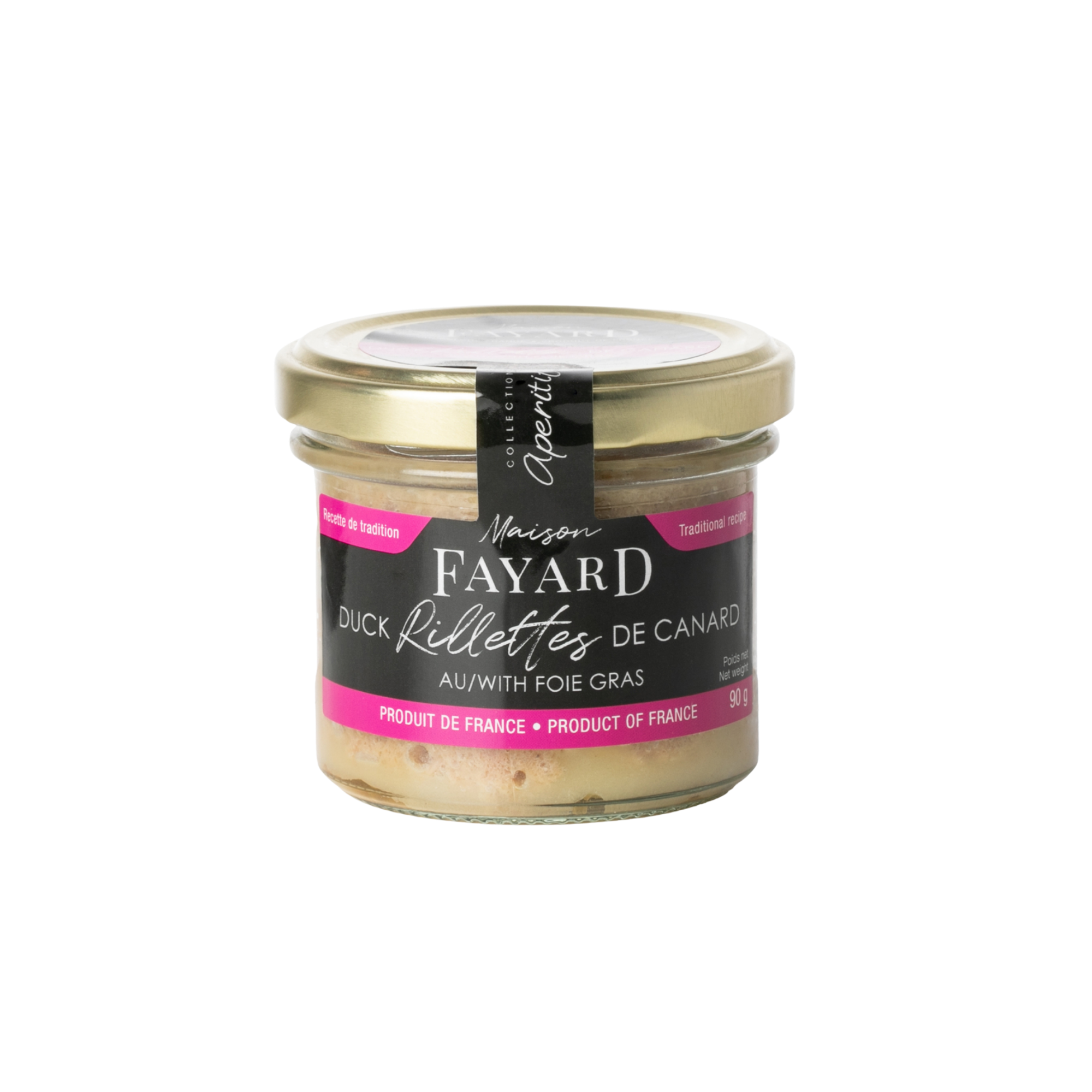
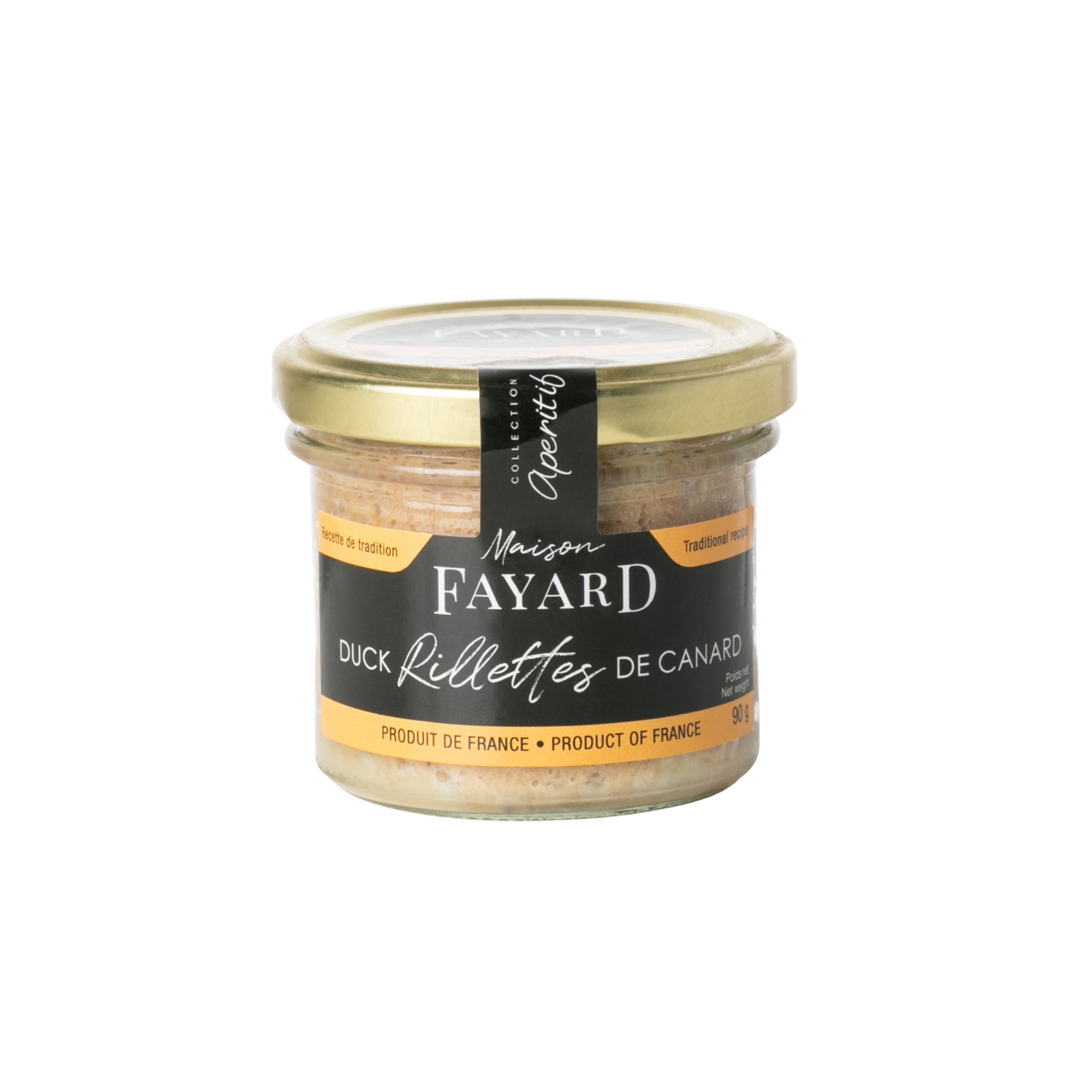
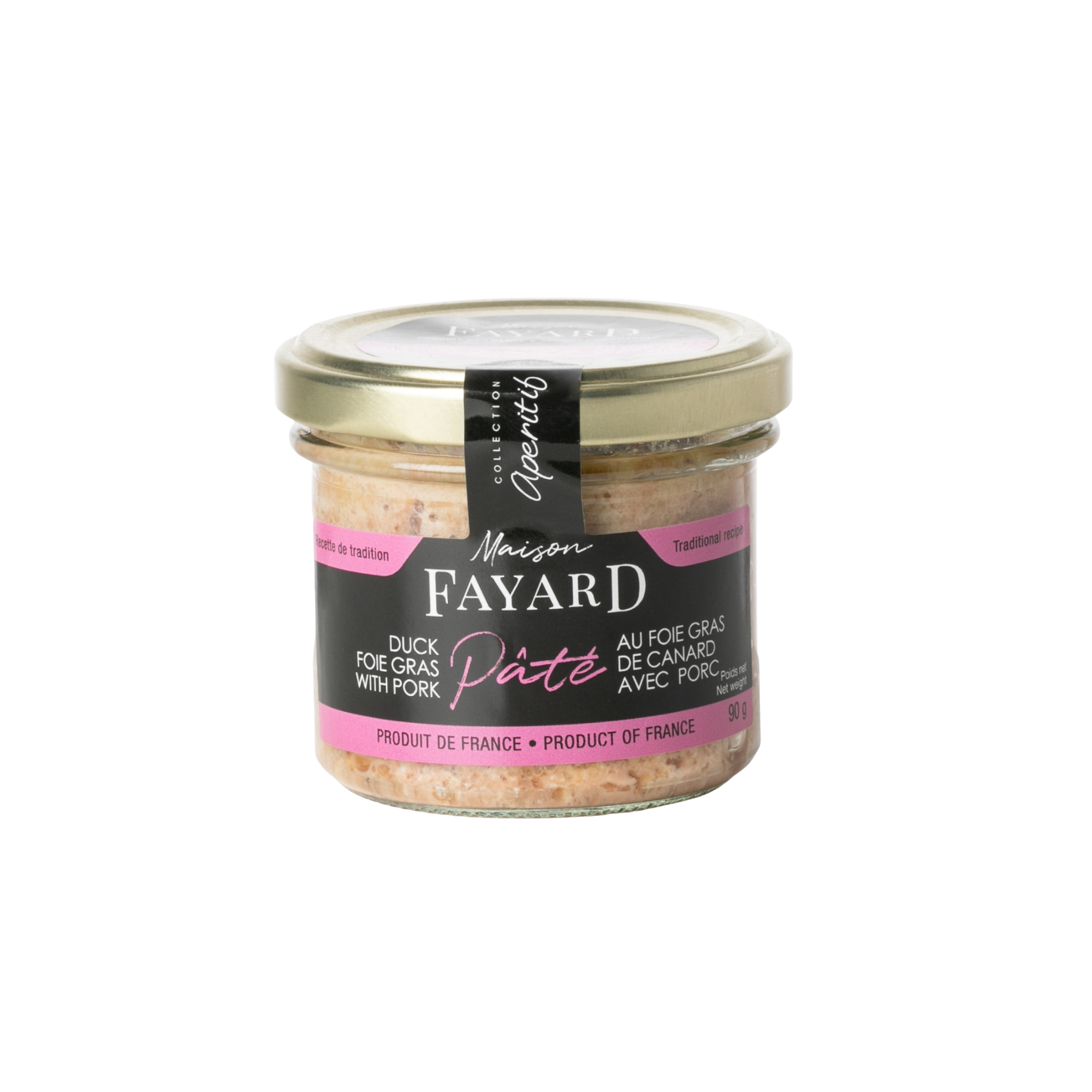
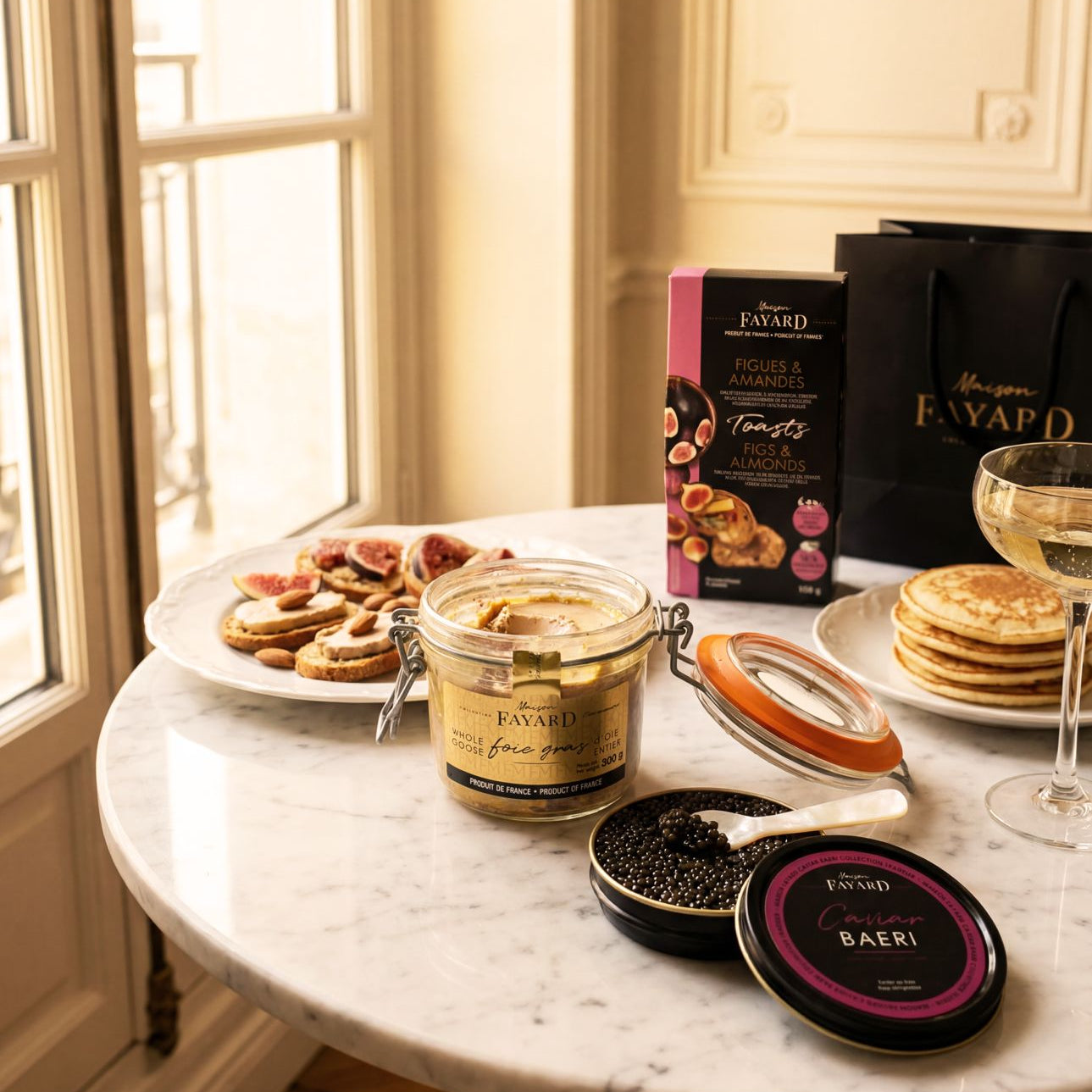
Foie gras in a jar is one of the simplest and most convivial ways to enjoy this great classic of French gastronomy. Unlike whole foie gras served in slices, it is generally spread directly onto bread, toast or crackers. This presentation is ideal for aperitifs, gourmet boards or festive starters. The choice of base then becomes essential, because it influences the texture and balance of the tasting.
A good accompaniment should bring contrast without masking the aromas of the foie gras. The richness of the product often calls for a crunchy element, a lightly toasted bread or a small sweet touch such as a confit or a chutney. Well combined, these elements create a simple yet very elegant tasting.
The ideal bread for foie gras
Bread remains the most natural accompaniment for foie gras in a jar. Since it is spread, the texture of the bread plays an important role in the tasting experience.
Country bread is often considered one of the best choices. Its dense crumb and light crust bring structure without dominating the flavours. A lightly toasted slice adds a very pleasant crunchy contrast.
Baguette also works very well, especially when lightly toasted. It creates a simple, authentic base that lets the foie gras express itself fully.
Brioche bread offers a more indulgent approach. Its softness accentuates the melt-in-your-mouth quality of the foie gras and creates a rounder tasting, often appreciated at festive meals.
Toasts for foie gras
Toasts are particularly practical when foie gras is served in a jar. They let you quickly prepare regular, elegant bites.
Plain toasts are the most classic. Their neutral taste showcases the richness of the foie gras without adding a dominant aroma. They are perfect for simple tastings or aperitifs.
Fruit toasts bring a lightly sweet dimension that balances the foie gras very well. Notes of apricot, fig or date create a subtle contrast between sweetness and richness.
Some almond toasts also add a lightly toasted texture that reinforces the balance of the tasting. In some fine-food shops such as Maison Fayard, these toasts are designed specifically to accompany foie gras.
Pain d'Épices and foie gras
Pain d'Épices is a traditional pairing with foie gras. Its soft texture and lightly sweet notes create a very harmonious combination.
The mild spices of the pain d'épices reinforce the aromatic depth of the foie gras without masking it. The whole becomes very balanced, with a tasting that is both indulgent and refined.
Fig pain d'épices is especially appreciated. The fruit brings additional roundness and heightens the contrast between sweetness and richness.
Served in thin, lightly toasted slices, pain d'épices becomes a perfect base for spreading foie gras in a jar, notably at festive meals.
Confits and chutneys
A small sweet touch complements the richness of the foie gras very well. Confits and chutneys are therefore often used to create balance on the palate.
Fig chutney is probably the most popular pairing. Its fruity sweetness and light acidity perfectly accompany the foie gras without dominating its aromas.
Onion chutney brings a more caramelized dimension. Its sweet, lightly tangy taste creates a subtle contrast with the melt-in-your-mouth texture of the foie gras.
Onion confit is softer and rounder. It works very well on a slice of toasted bread or a crunchy toast.
Some recipes also pair fig and walnut, which adds an interesting aromatic depth for lovers of more complex flavours.
Crunchy textures
Since foie gras is very melt-in-your-mouth, adding a crunchy element often improves the tasting. This contrast of texture makes the bite more balanced and more enjoyable.
Crackers are an excellent option. Their light, crunchy texture showcases spread foie gras particularly well.
Almond crackers bring a lightly toasted, very elegant note. Other versions with olives or tomatoes offer a more original approach for aperitifs.
These products are often used to create varied aperitif boards with several different textures.
Pairings for an aperitif
Foie gras in a jar is particularly suited to aperitifs because it is very easy to prepare. Simply spread a small amount on a toast, a cracker or a slice of bread.
A small dab of chutney or confit can then be added to create a more indulgent bite. The ideal is to offer several bases in order to vary the textures.
For example, you can combine lightly toasted bread, fruit toasts and a few crackers. This lets guests discover different balances of flavour and texture.
How to choose?
The best accompaniment depends on the type of tasting you want to create. For a simple, authentic experience, country bread or a lightly toasted baguette remain the most classic choices.
For a more indulgent tasting, fruit toasts or pain d'épices bring a very interesting aromatic richness.
For a convivial aperitif, mini toasts and crackers let you quickly prepare elegant bites that are easy to serve.
A small touch of fig chutney or onion confit can also turn a simple tartine into a true gastronomic bite. The key is to keep a good balance between the texture of the base, the richness of the foie gras and the sweetness of the accompaniments.
Can you spread foie gras on bread?
Yes. Foie gras in a jar is designed to be spread. Country bread, baguette or toasts are the most common bases.
Should you toast the bread for foie gras?
It is not mandatory, but a lightly toasted bread brings a very pleasant crunchy contrast with the melt-in-your-mouth texture of the foie gras.
Which chutney to choose with foie gras?
Fig chutney and onion chutney are the most popular because they bring a sweetness that balances the richness of the foie gras.