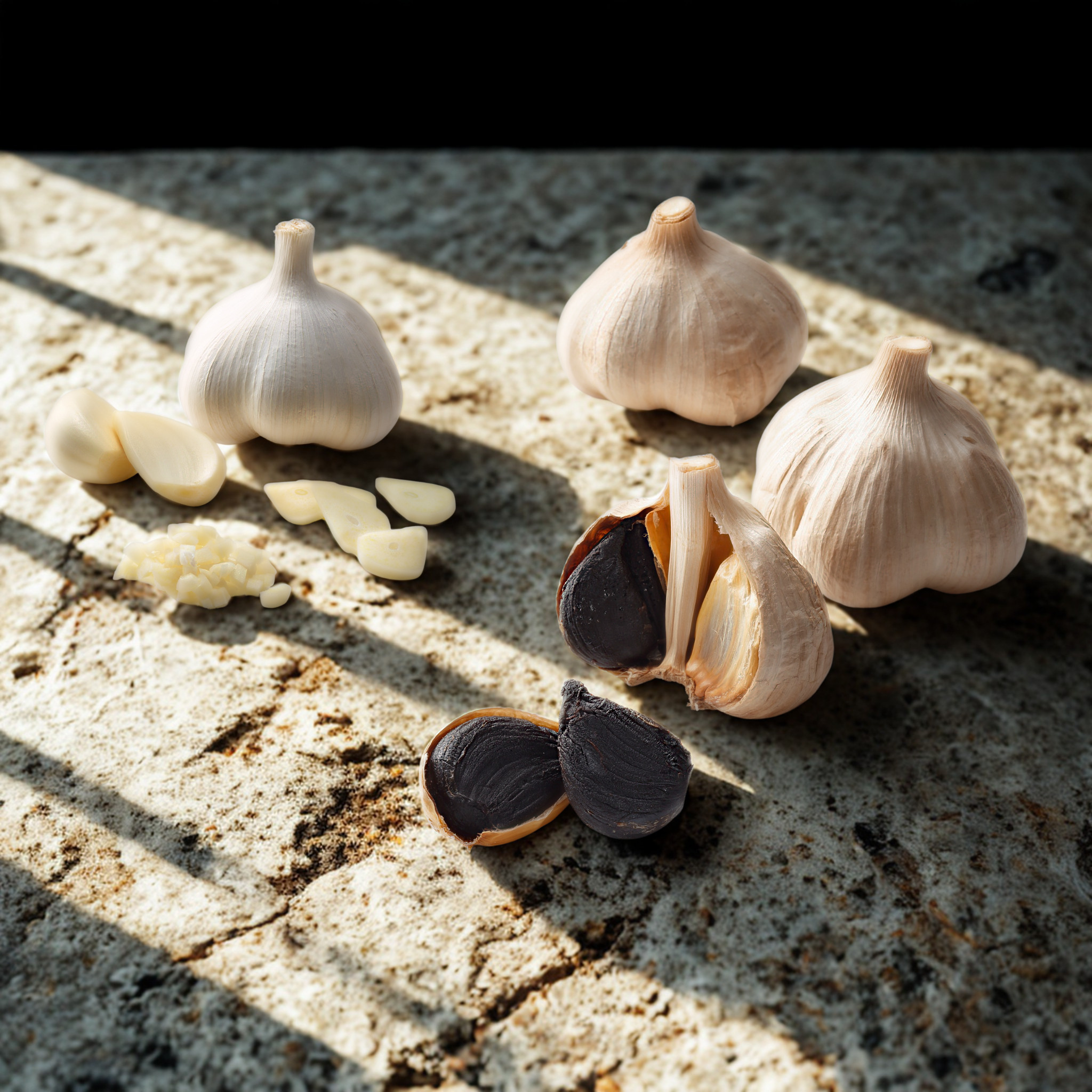


Black garlic is one of those rare ingredients that transform a dish with no apparent effort. Its melting texture, its deep balsamic and liquorice aromas, and the total absence of pungency make it an exceptional condiment, as at ease in a quick sauce as in a preparation worthy of a great restaurant. You just need to know how to approach it. This guide gives you the keys to use it with confidence, whatever your level in the kitchen.
Understanding black garlic before cooking
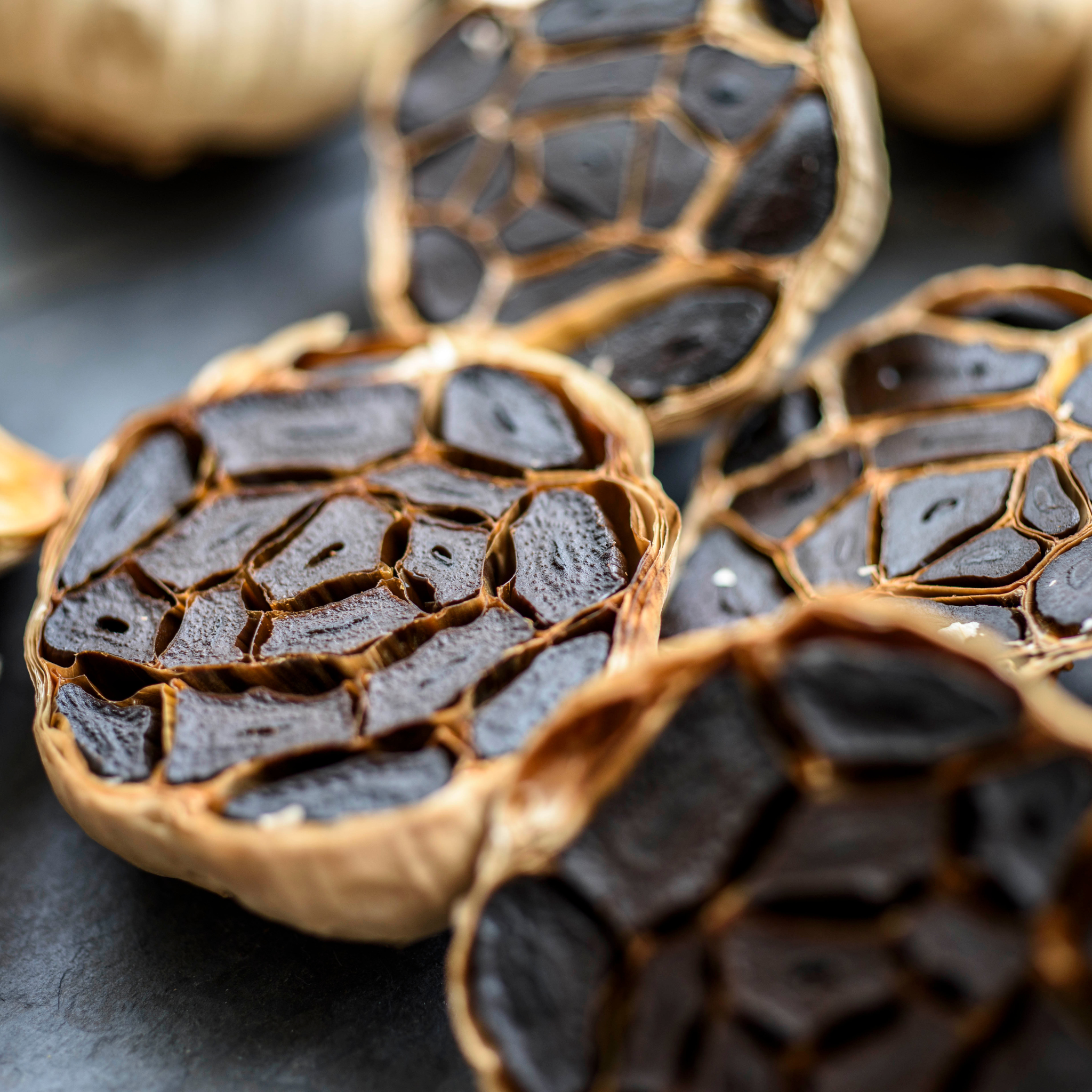
Before adding it to your recipes, it is useful to understand its nature. Black garlic is white garlic fermented at low temperature for several weeks. This process gives it a soft, creamy texture, a uniform black colour and an aromatic profile radically different from raw garlic: softer, more complex, with no aggressiveness at all.
Unlike fresh garlic, it does not burn when cooked and does not make dishes harsh on the palate. It melts, it envelops, it deepens. That is what makes it such a versatile and precious ingredient.
Black garlic purée: the base of everything
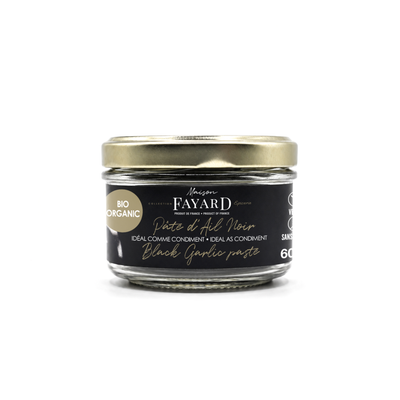
Black garlic purée is the basic preparation to master first. You get it simply by mashing the cloves with a fork or blending them with a drizzle of olive oil until you get a smooth, even paste.
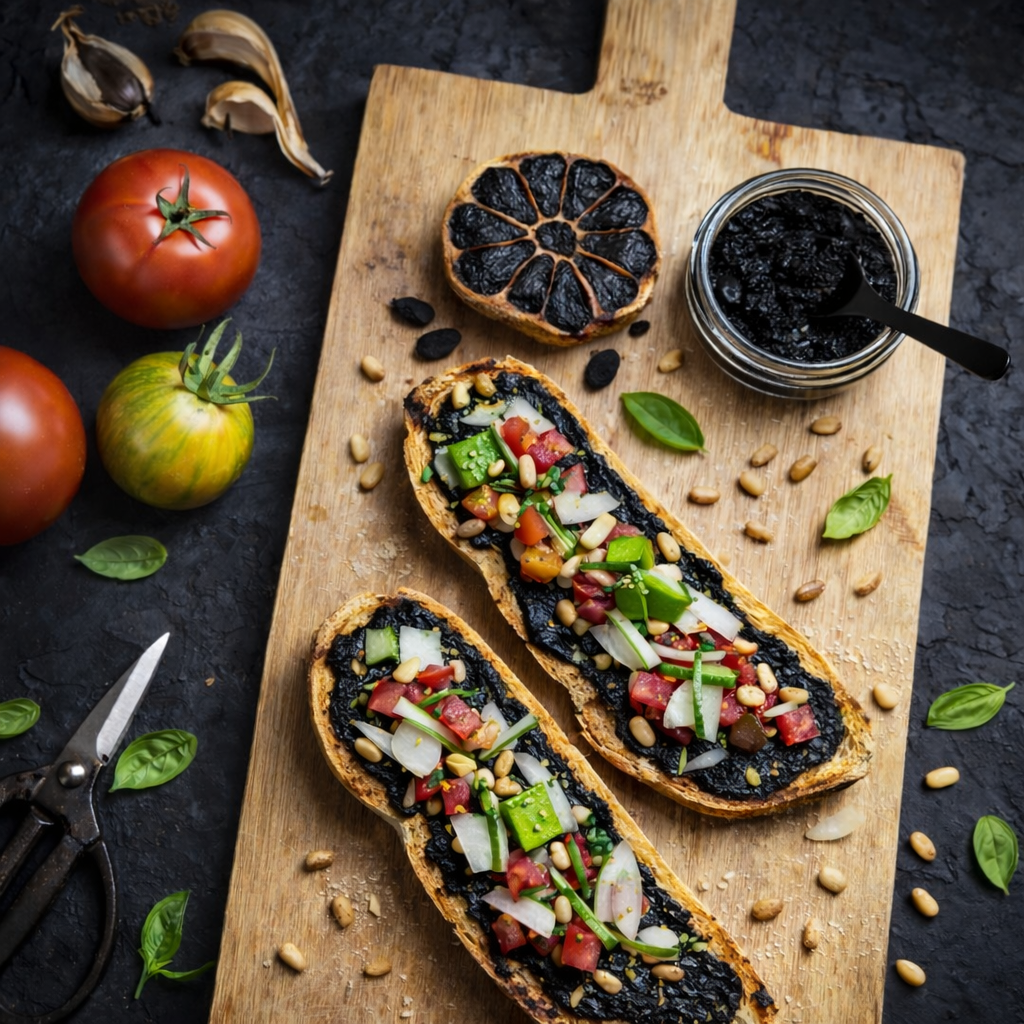
This purée spreads directly on toasted country bread, blends into a vinaigrette, enriches a homemade hummus or lifts a mayonnaise. It freezes very well in small portions, which lets you always have it on hand.
For beginners, it is the ideal entry point: no risk of getting the texture wrong, no additional cooking needed.
Black garlic butter: simple and elegant
Black garlic butter is one of the quickest and most impressive preparations to make. Just mix two or three mashed cloves with unsalted butter at room temperature, a pinch of fleur de sel and, to taste, a few fresh herbs such as thyme or chives.
This butter goes on a rib steak fresh off the heat, melts on a poultry fillet, tops a slice of brioche bread or flavours a basmati rice. Rolled in cling film and kept in the refrigerator, it keeps for a week and lends itself to a multitude of spontaneous uses.
It is one of the best ways to introduce guests to black garlic without startling them: the result is immediately appealing.
Black garlic sauces: umami depth
Black garlic excels in sauces, where it plays the role of a natural flavour enhancer. It brings an umami dimension (that deep, lingering flavour) without masking the other ingredients.
For a quick sauce, sauté a shallot in butter, add a veal or poultry stock, then stir in two mashed black garlic cloves at the end of cooking. The sauce immediately gains depth without needing a long reduction.
For a cold sauce, mix the black garlic purée with Greek yogurt, a dash of lemon and olive oil. You get an accompaniment sauce ideal for roasted vegetables, cold meats or garnished blinis.
Meats and fish: the best pairings
Black garlic pairs particularly well with braised red meats, duck, lamb and game. Its sweet softness balances the powerful flavours of these meats without crushing them.
For a classic pairing, coat a rack of lamb with black garlic purée and herbs before cooking. The fermentation caramelizes slightly on the surface and creates a fragrant crust of great finesse.
Oily fish (salmon, mackerel, sardine) also handles black garlic very well. A light sauce of black garlic purée, white miso and a drizzle of toasted sesame is enough to turn a salmon fillet into a dish worthy of a tasting menu.
Risotto, pasta and grains: everyday use
Black garlic fits naturally into grain and starch dishes. Stirred in at the end of cooking into a mushroom risotto, it accentuates the earthy notes of the dish and gives it a remarkable length on the palate. In pasta with olive oil, it is a great replacement for classic garlic while adding an unexpected sweetness.
It is in these everyday uses that black garlic truly becomes essential. Two cloves are enough to turn a simple dish into something memorable, with no extra preparation time.
Tasting boards and cheeses
On a tasting board, black garlic acts as a bridge between flavours. Placed whole next to a blue-veined cheese (Roquefort, Gorgonzola, Bleu d'Auvergne), it creates a surprising pairing where the intensity of the cheese meets the caramelized sweetness of the clove.
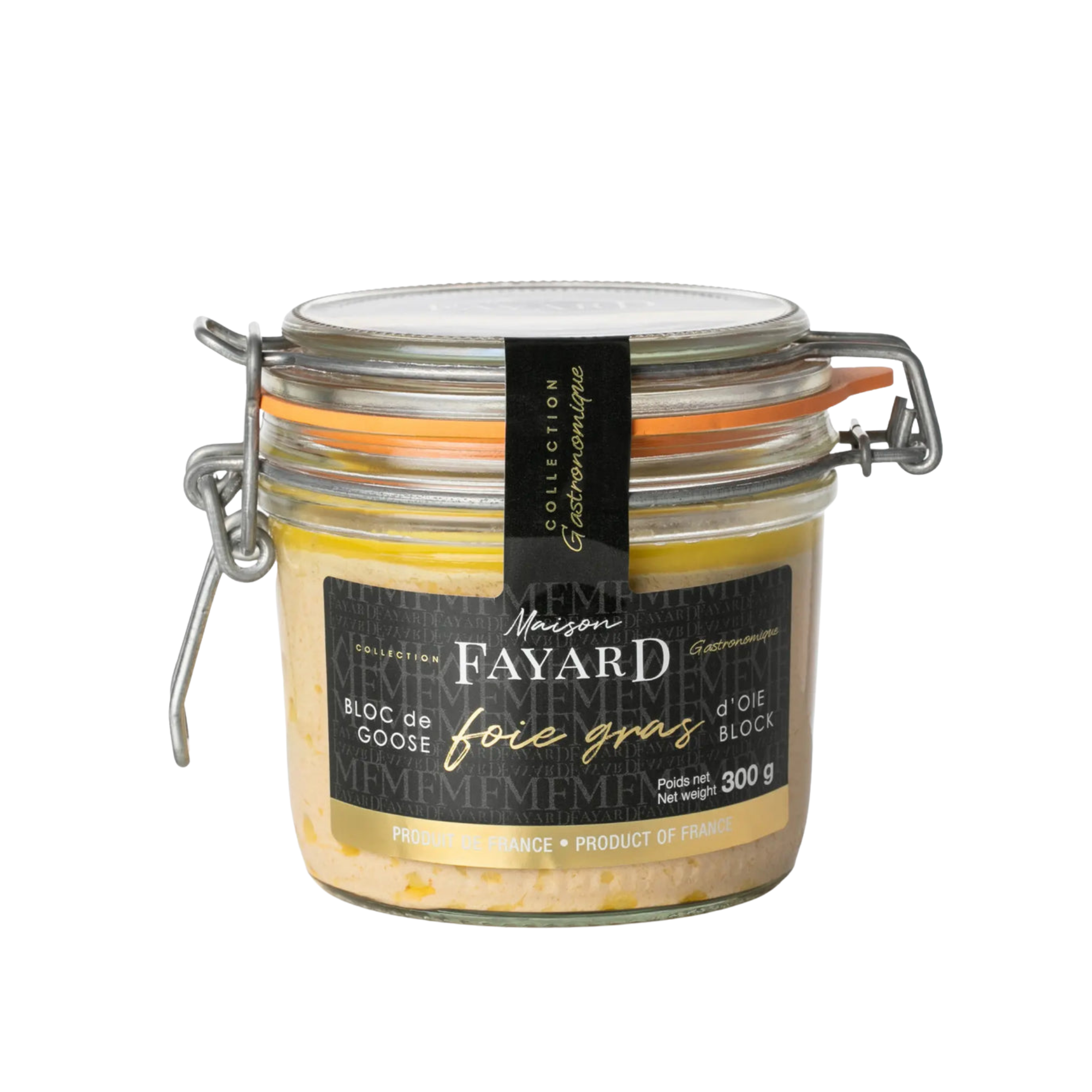
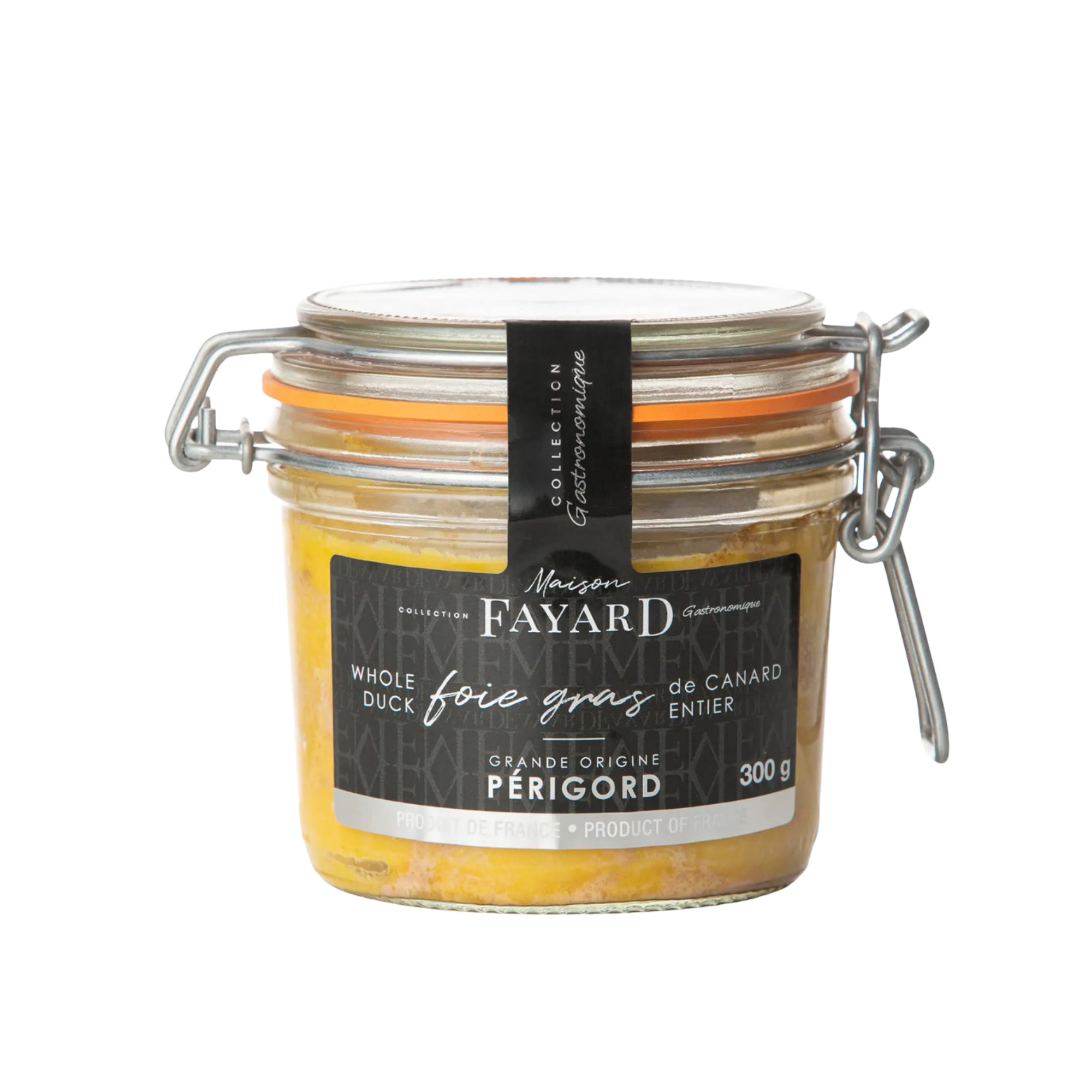
It also pairs very well with country terrines, duck rillettes and fine charcuterie. At Maison Fayard, some condiment and fine-food selections are designed for this kind of tasting, where each ingredient must find its place without crushing the others.
How to choose your black garlic format
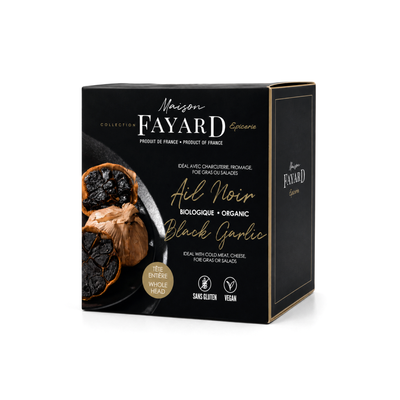
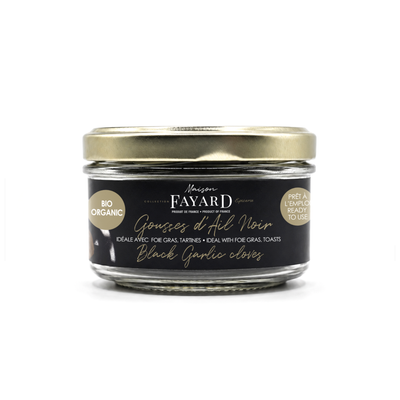
The choice of format depends on the intended use. A whole bulb suits cooks who like to prepare their own condiments and want to control the texture from start to finish. Separated cloves are practical for direct use, with no additional handling. Ready-to-use purée is ideal for busy kitchens or for those who want to get started without investing time.
In every case, favour a product with a deep black colour, a supple texture and a soft smell. A quality black garlic should never give off a pungent smell or show dry or grainy areas. The consistency of the fermentation is the first indicator of a well-mastered product.
FAQ
Should black garlic be cooked or can it be used raw?
Black garlic can be used either raw or cooked. Its melting texture and soft taste make it pleasant to eat directly, without cooking. Heated, it behaves like a flavour enhancer that does not burn and does not turn bitter.
How many cloves to use per recipe?
As a rule, one to three cloves are enough for a recipe for two to four people. Black garlic is concentrated in aromas: it is better to start with a modest amount and adjust to taste.
Does black garlic change taste when cooked?
Yes, slightly. Raw, it expresses its balsamic and sweet notes more. Cooked, it becomes more discreet, more melded into the dish, and mainly accentuates the umami depth. The two uses are complementary.
Can black garlic butter be made in advance?
Yes, and it is even recommended. Made in advance and kept in the refrigerator wrapped in cling film, black garlic butter develops its aromas as it rests. It keeps for a week chilled or several weeks in the freezer.