





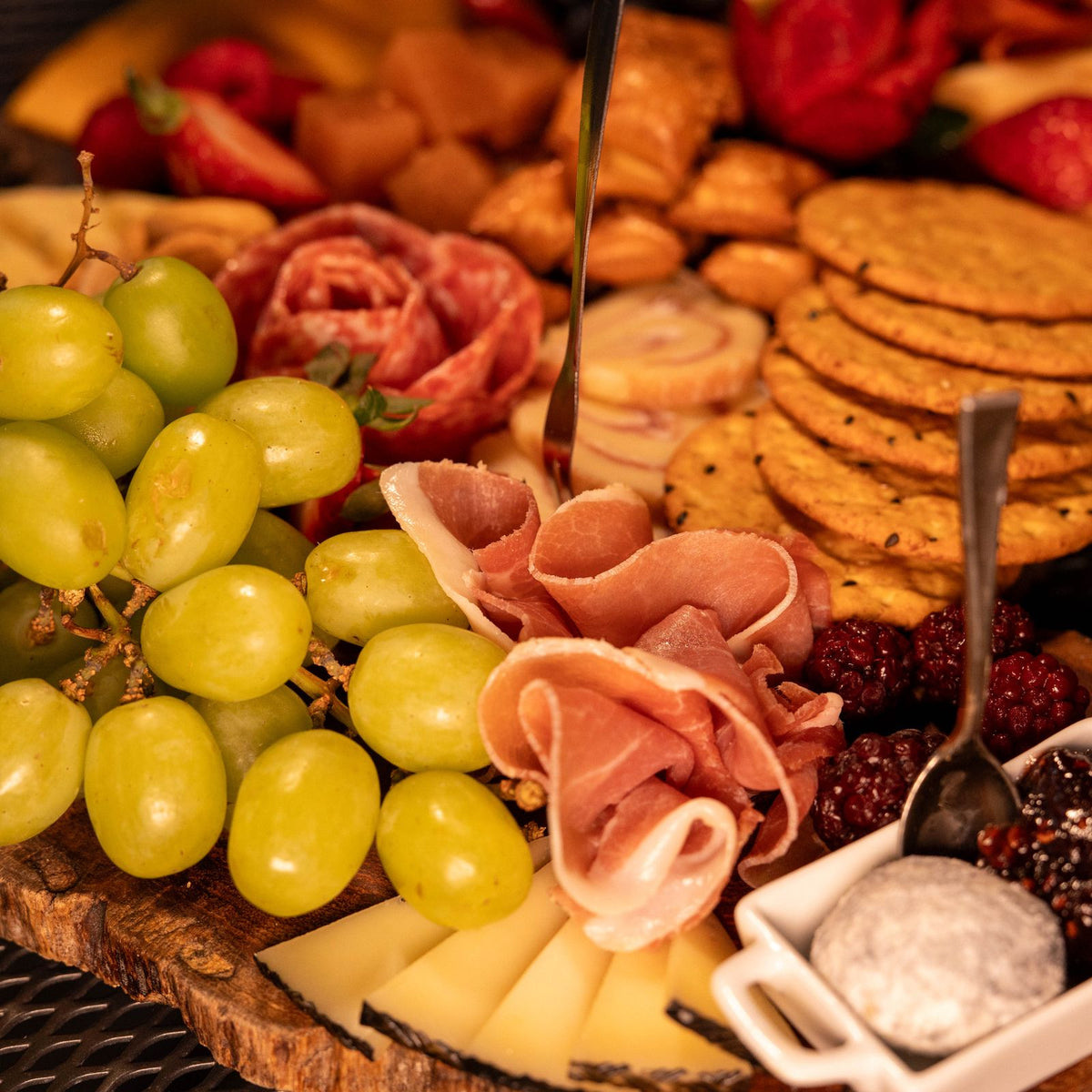
A beautiful charcuterie board is the most convivial apero there is: everyone picks, tastes and shares. But between a thrown-together board and one that truly impresses, there are a few simple rules: vary the textures, balance richness and acidity, and get the amounts right. Here is our method for building a generous, balanced French-style charcuterie board.
Choosing the right board
A wooden, slate or marble board works perfectly. Allow about 30 cm in length for 2 to 4 people, and 50 cm or more for 6 to 8 people. Have a few small bowls for condiments and rillettes, and one knife per cheese.
The charcuterie: the foundation of the board
Aim for three to five different charcuteries, varying textures and intensity.
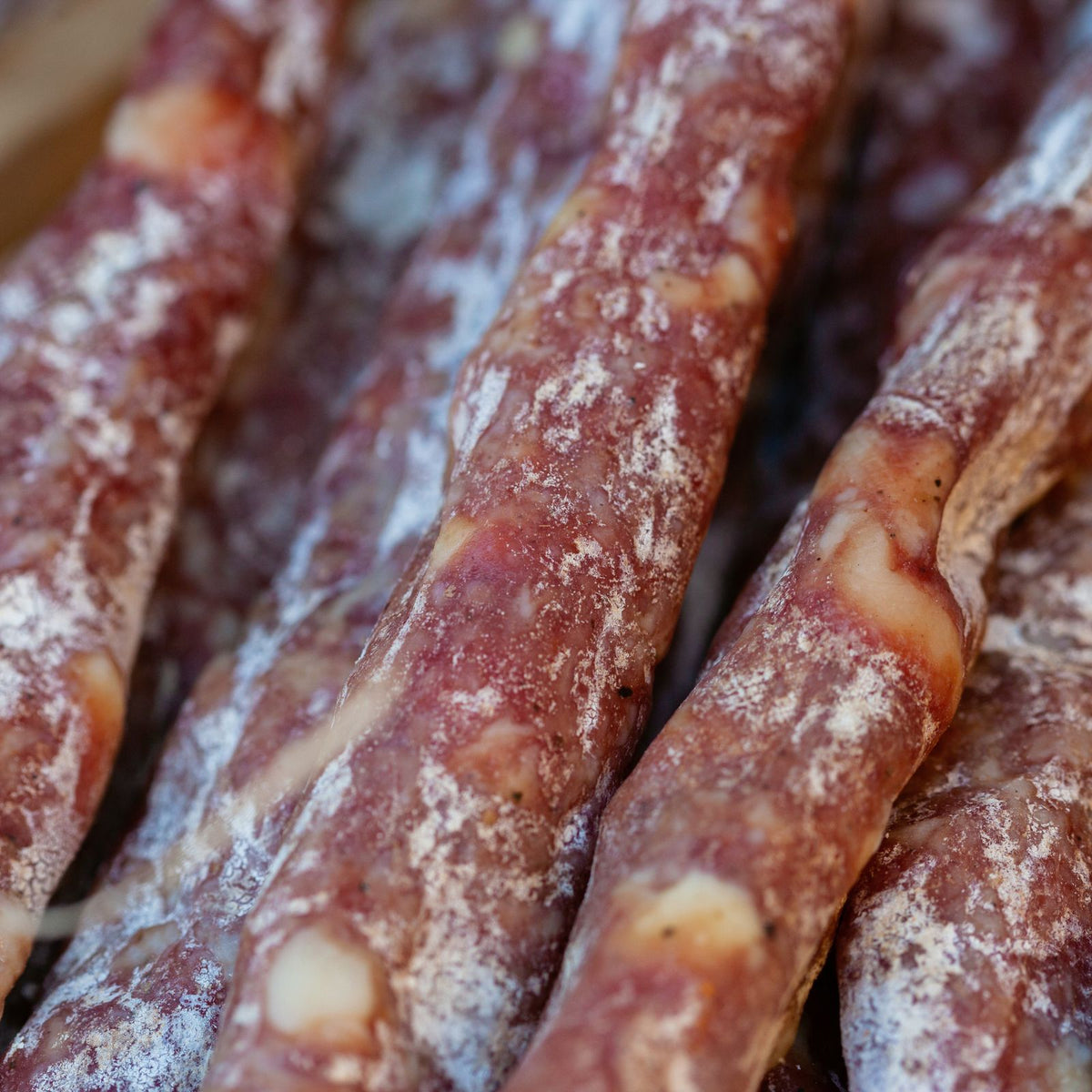
Dry-cured saucisson
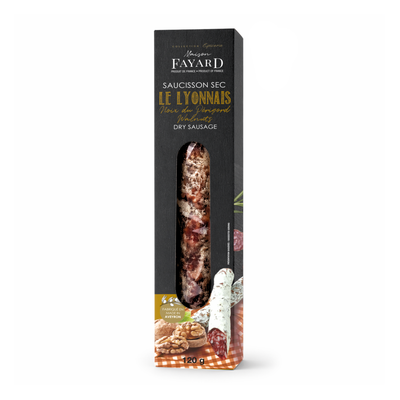
It is the heart of a French board. Combine a plain saucisson, a flavoured one with walnuts, Comté or chili, and a spicy touch such as chorizo. Mini saucissons, easy to snack on, are perfect for an apero.
Spreadable charcuterie
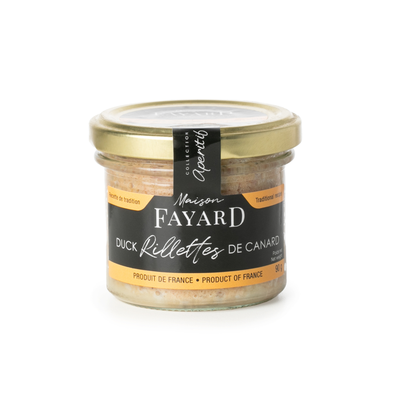
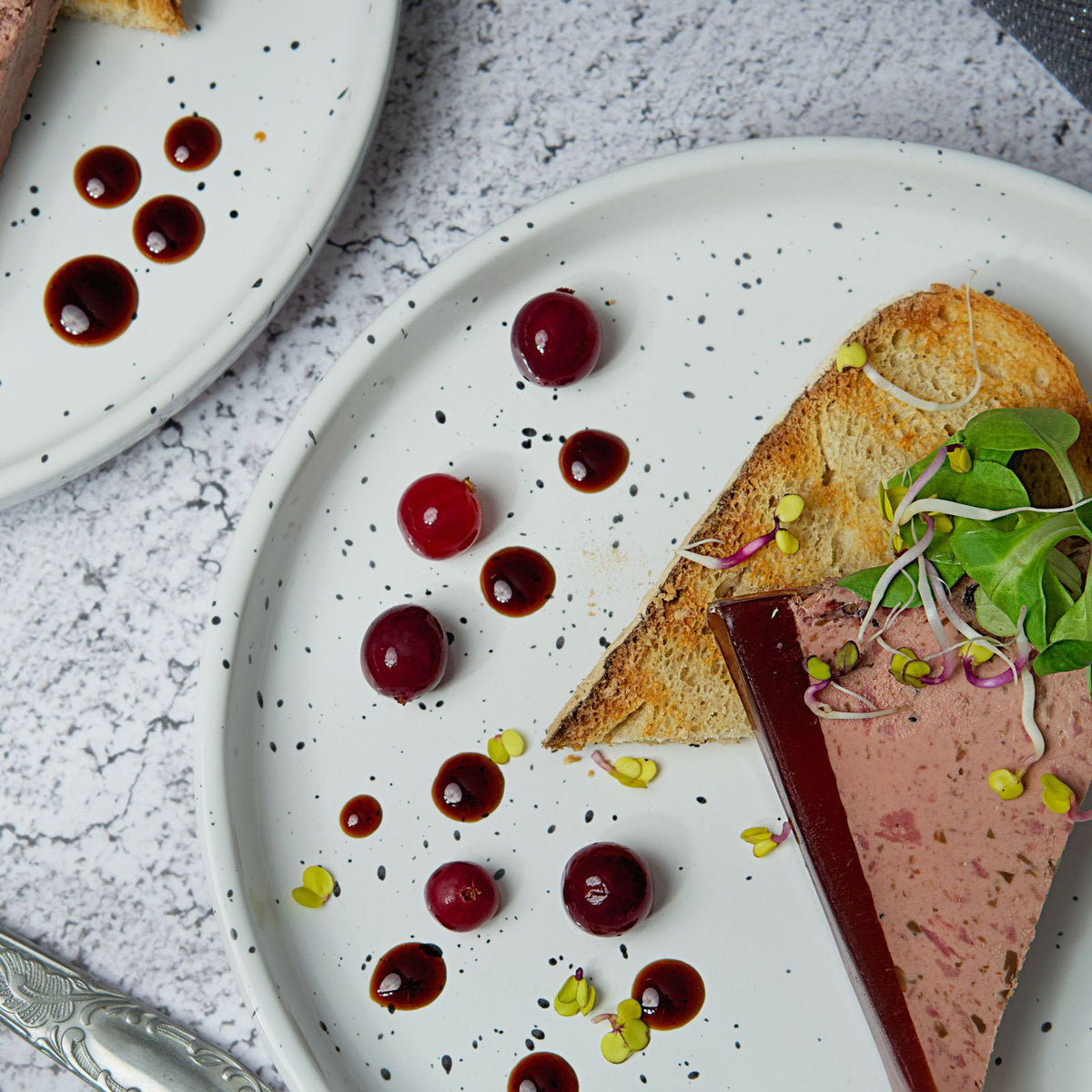
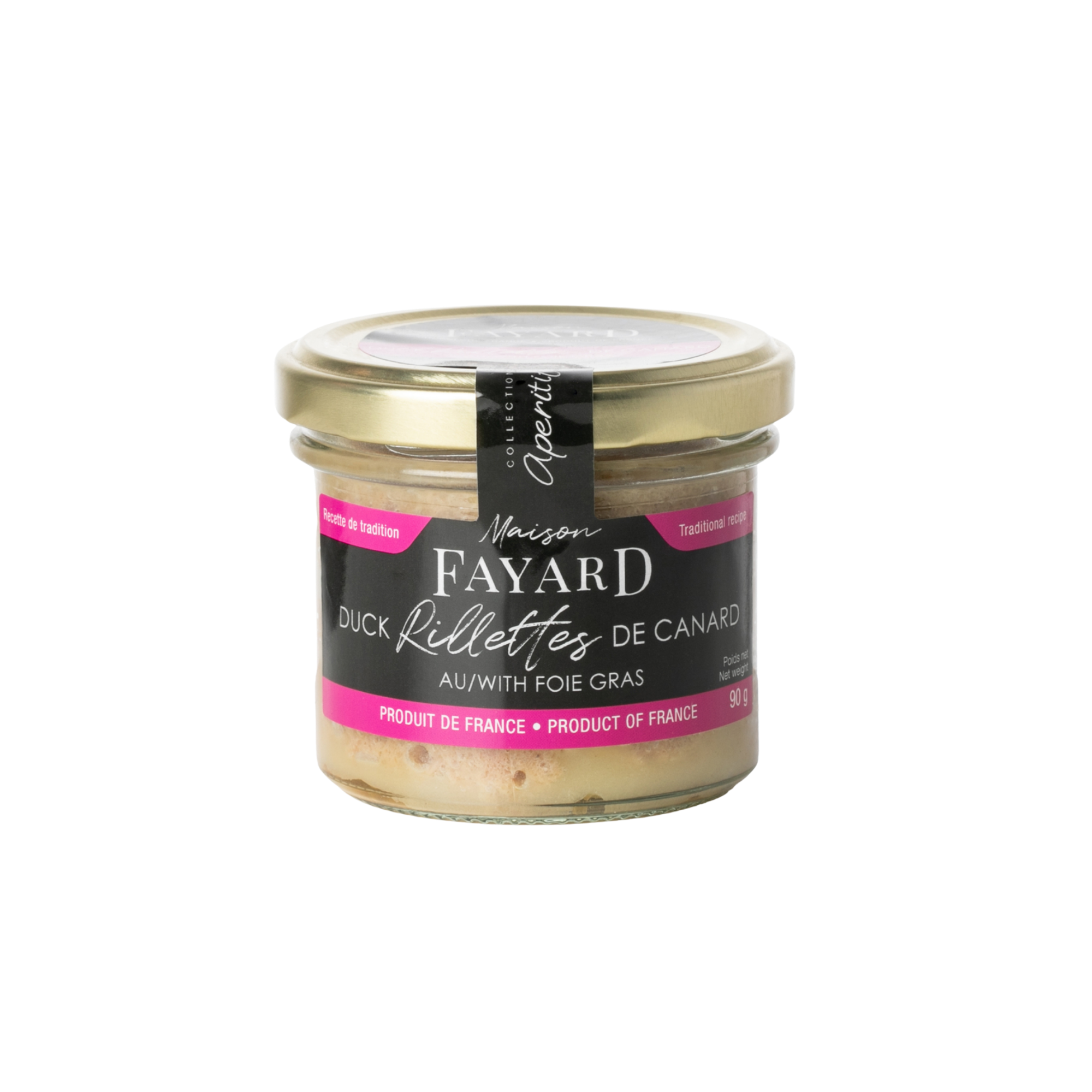
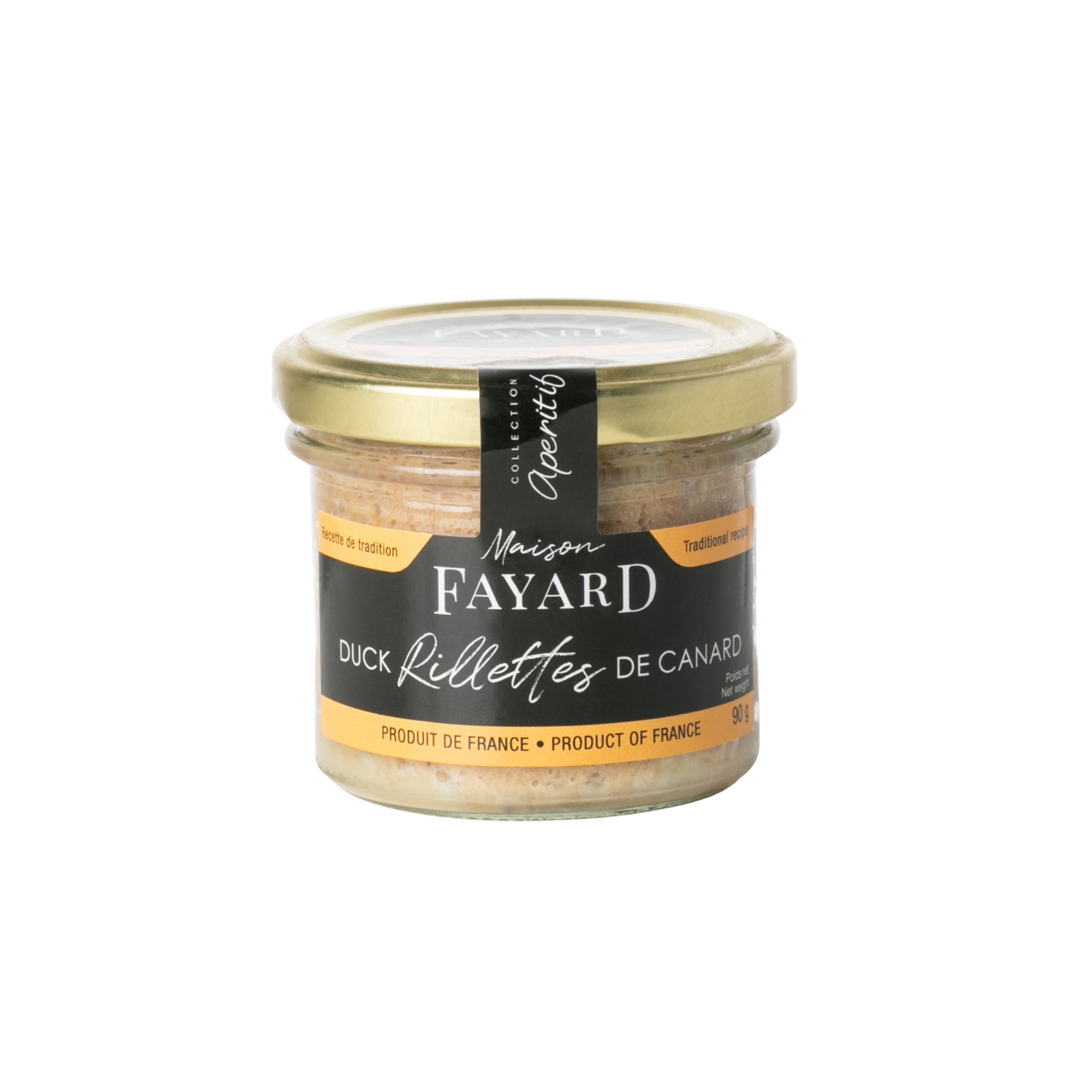
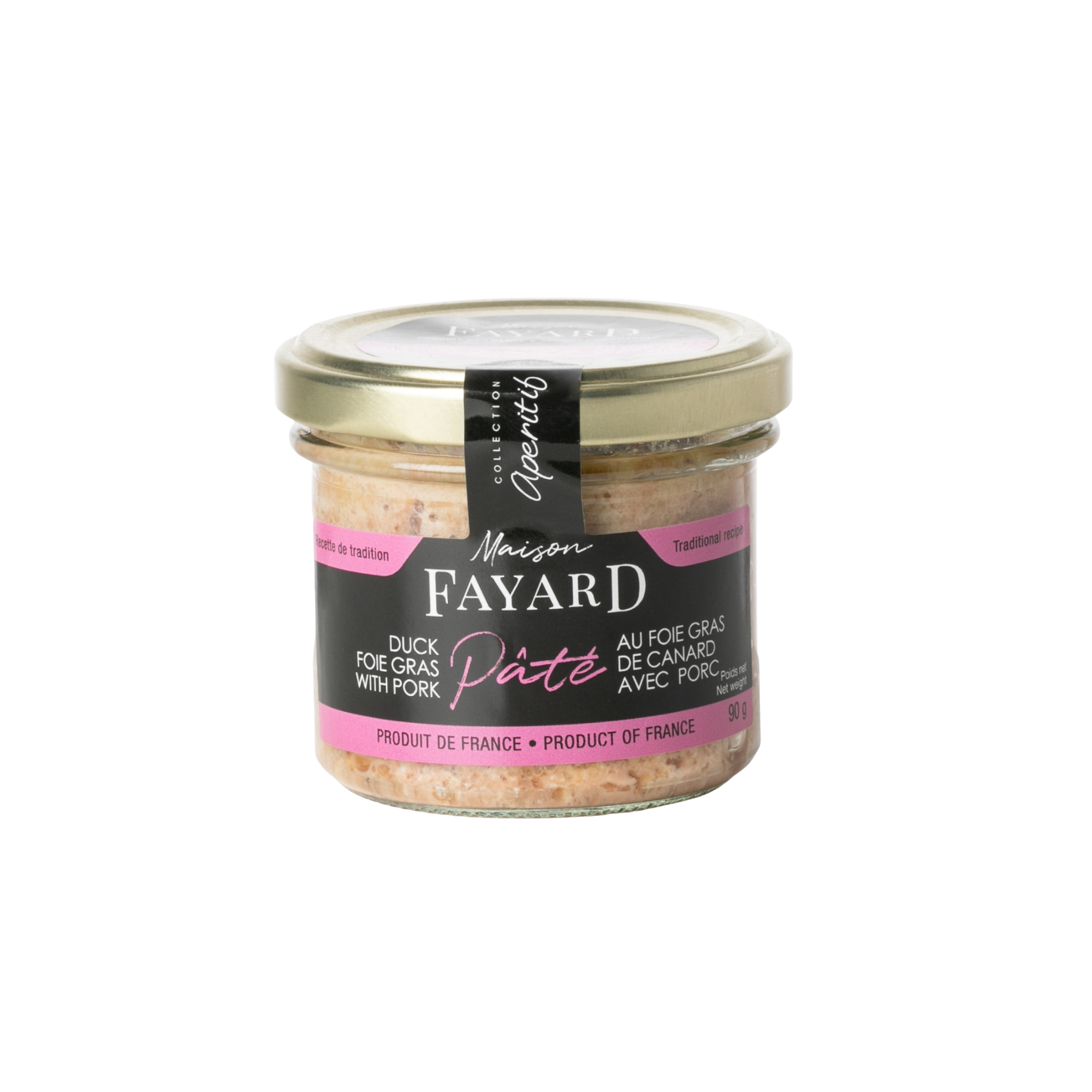
Duck rillettes, pâté or terrine bring softness and contrast with the bite of saucisson. Serve them in a small pot with a spoon or spreading knife.
A showpiece
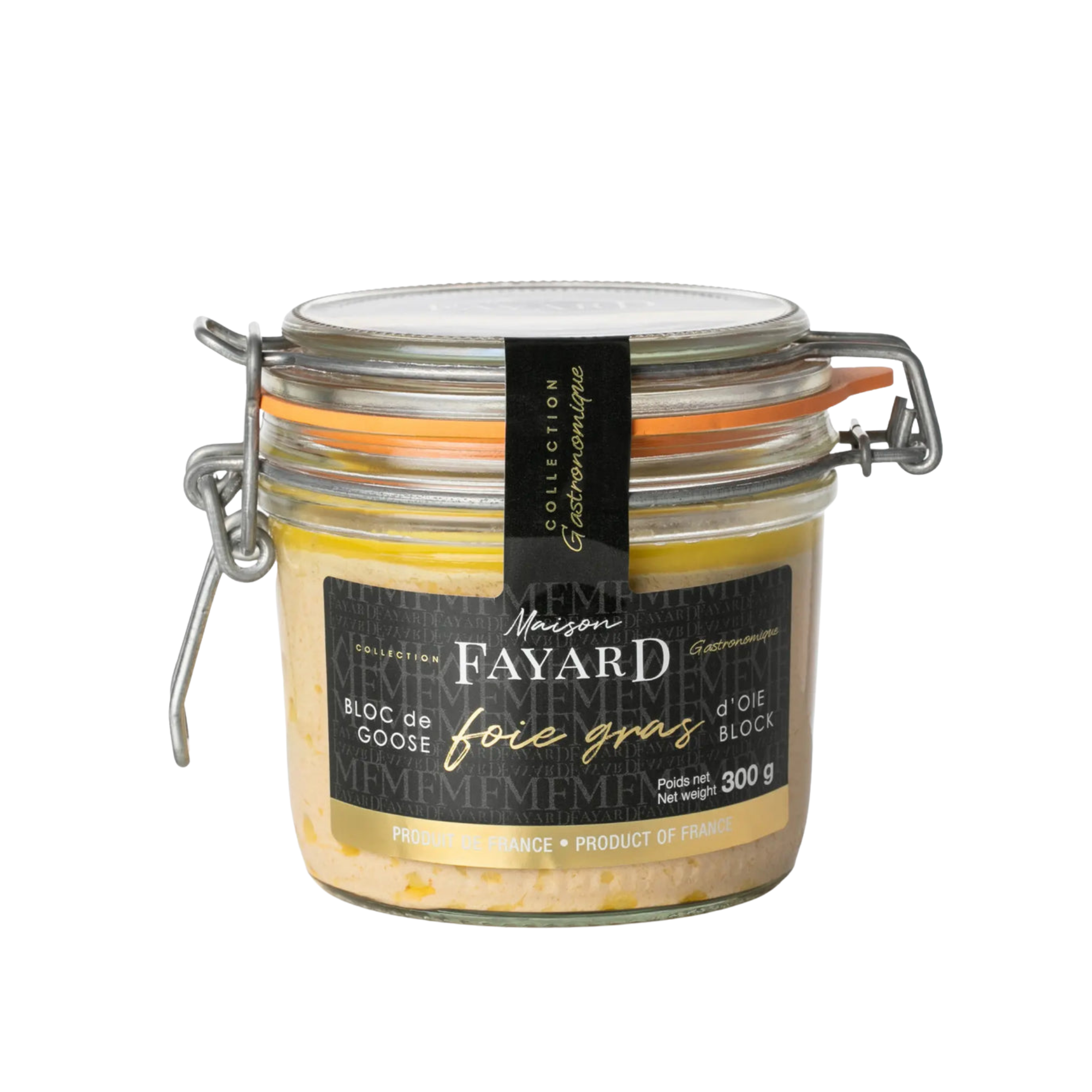
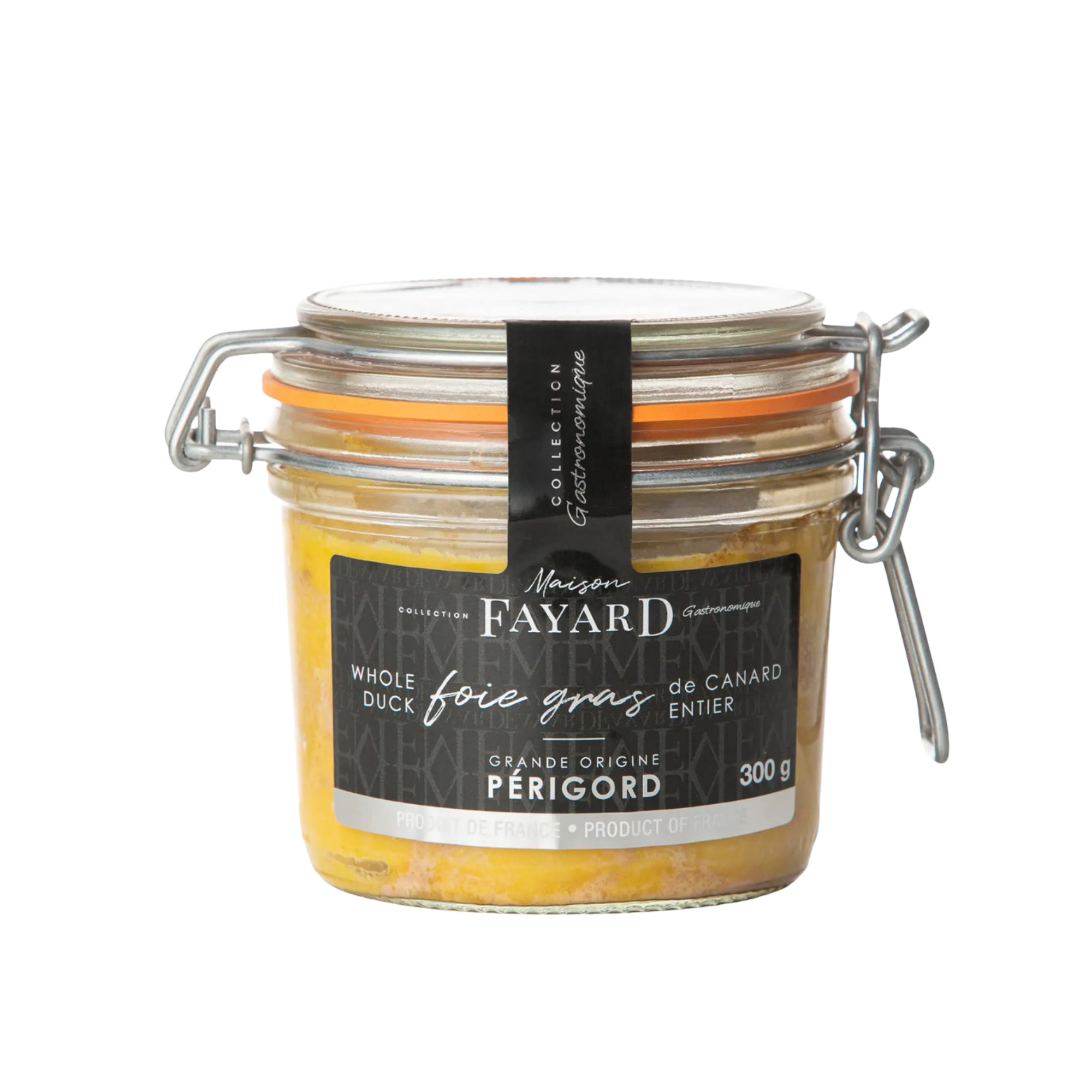
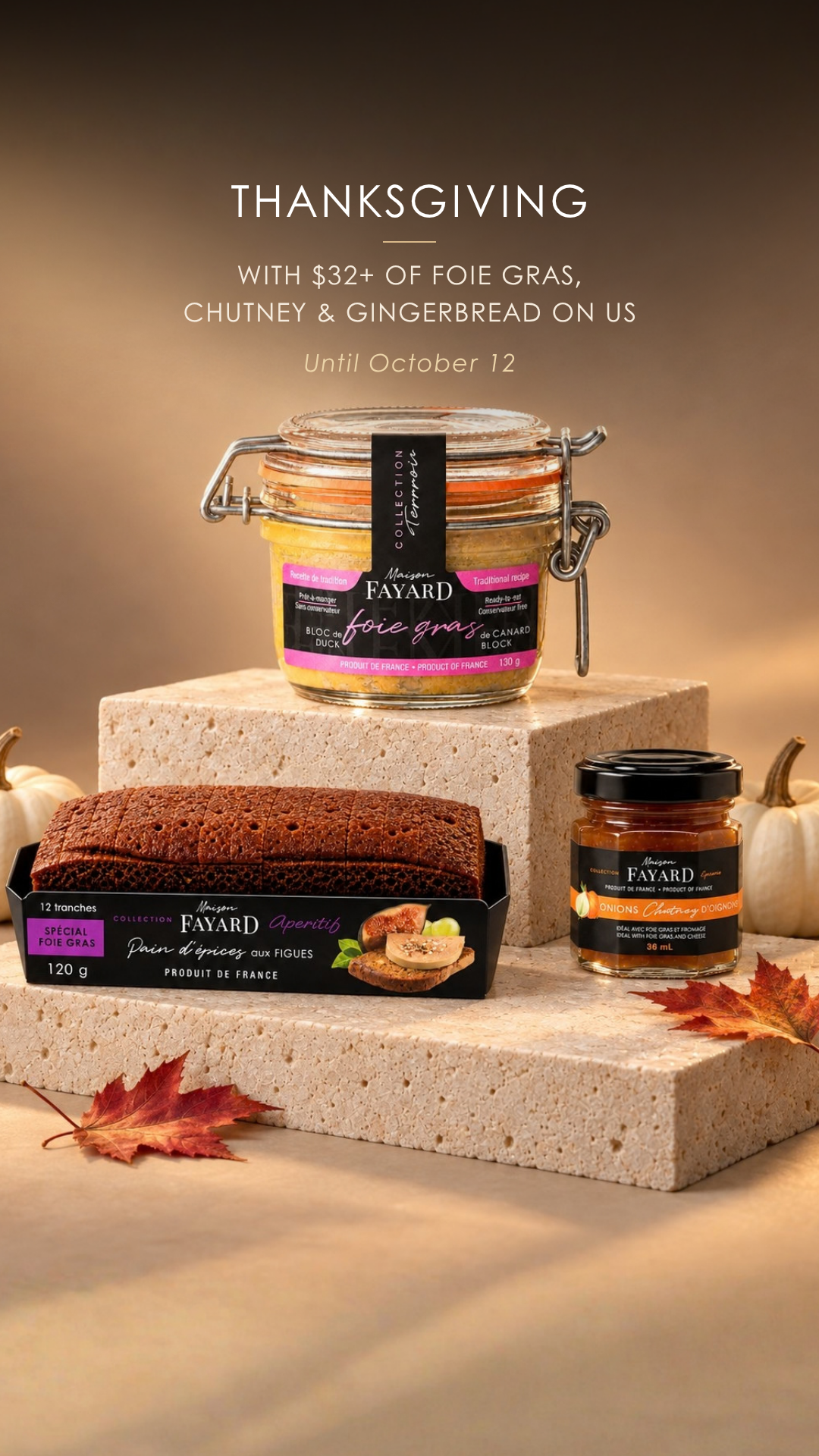
For a special occasion, add a few slices of foie gras or cured ham. A single prestige piece is enough to elevate the whole board.
The cheese
Two or three cheeses are enough, from different families: a firm cheese such as Comté or Beaufort, a soft one such as Brie, and a bold one such as a blue or goat cheese. Take them out of the refrigerator 30 minutes before serving.
Bread and crackers
A sliced baguette, toasted country bread and a few crackers are enough. Offer different sizes to go with both the spreads and the cheeses.
Condiments and fresh touches
This is what makes the difference. Cornichons and pickled pearl onions bring the acidity that balances the richness. Add olives, a fig or onion chutney, and fresh or dried fruit: grapes, figs, dried apricots. A few walnuts or almonds complete the board.
How much per person?
For an apero before a meal, allow 50 to 80 g of charcuterie and 40 to 50 g of cheese per person. For a grazing board that replaces dinner, plan 120 to 150 g of charcuterie and 80 to 100 g of cheese per person.
Assembling the board in 5 steps
Start by placing the bowls of condiments and spreads, which give the board its structure. Then add the cheeses, spaced apart. Arrange the charcuterie around them: saucisson sliced in a fan, mini saucissons grouped together, slices folded into waves. Fill the gaps with fruit, nuts and olives. Finish with the bread, alongside or on a separate board.
For perfectly sliced saucisson, a saucisson guillotine saves precious time and gives even slices. Find all our tips in our guide dry-cured saucisson: how to choose, slice and store it.
What to drink with a charcuterie board?
A light, fruity red such as a Beaujolais or Côtes-du-Rhône goes perfectly with saucisson. A dry, mineral white such as Chablis or Sancerre pairs with cheese and rillettes. A craft beer or cider also works very well.
Our charcuterie for your board
For a French-style board, our Minis Lyonnais with hazelnuts, our Minis Lyonnais with wild garlic and our Minis Chorizo are perfect for snacking. Add a dry-cured saucisson with Périgord walnuts or a Comté dry-cured saucisson, some duck rillettes, and to slice in style, our wooden saucisson guillotine.
Find the full selection in our charcuterie and apéritif collections, shipped across Canada.
FAQ
What do you put on a charcuterie board?
Three to five varied charcuteries, dry-cured saucisson, rillettes or pâté, two or three cheeses, bread and crackers, tangy condiments such as cornichons, fruit and nuts.
How much charcuterie per person for an apero?
Allow 50 to 80 g per person for an apero, and 120 to 150 g for a grazing dinner.
Can you make a charcuterie board ahead of time?
Yes, up to 2 hours ahead, covered with plastic wrap and kept cool. Add the bread and crackers at the last minute so they stay crisp.
What is the difference between a charcuterie board and an apero board?
A charcuterie board focuses on cured and spreadable meats. An apero board is more varied, adding cheese, vegetables, dips and small bites.